oeradio.at – Amateurfunk in Österreich
Latest Articles
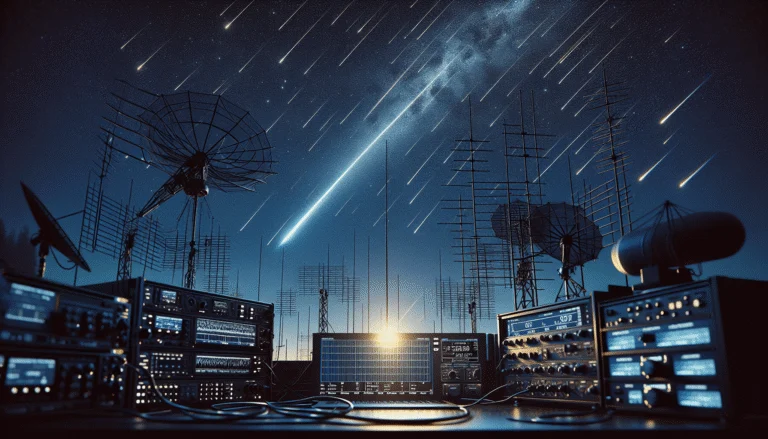
Meteorscatter on VHF: Short Bursts for DX
Meteorscatter uses meteor trails for VHF DX. Ionized trails reflect VHF signals for 0.1-10 seconds. Best during meteor showers (Perseids, Geminids). MSK144 mode optimized for short bursts. Equipment: VHF transceiver, 100W+, high-gain Yagi, WSJT-X software. Range:…
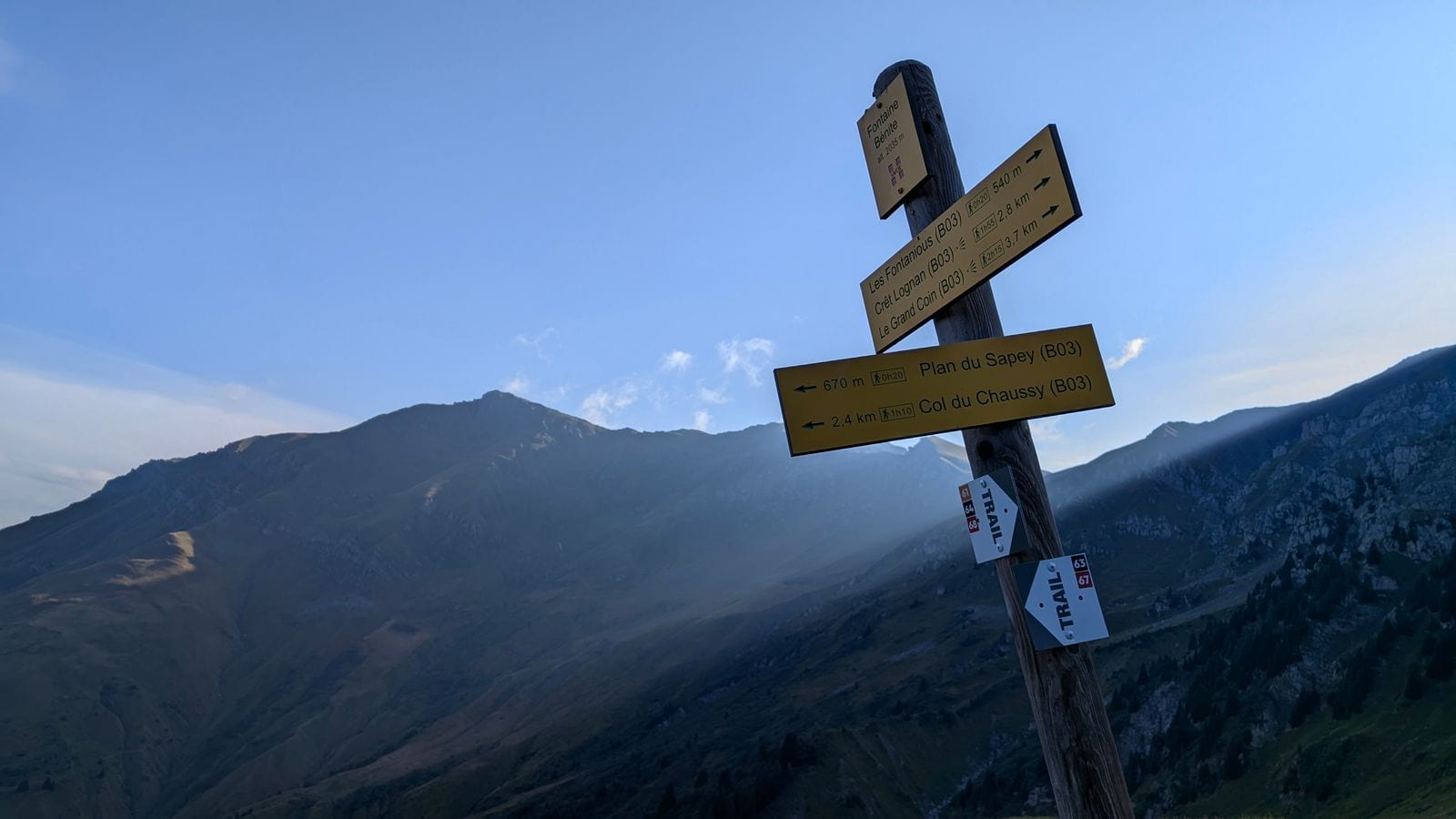
10 days of radio roadtrip with an abrupt ending
30 activations, around 3000 kilometres and 38 hours of pure driving time: Sigrid Magdalena OE1YLS originally wanted to activate three 4000-metre summits in Switzerland and ended up in the Bayrischer Wald, in the Elsass and in the French Alps instead. Until a lost phone brought the trip to an abrupt end.
Running OpenWebRX+: Your Own Web-Based SDR Server
Imagine sharing your radio receiver with the entire world — directly through a web browser, without anyone needing to install software. That is exactly what OpenWebRX+ enables: an open-source project that turns a Raspberry Pi and…
SOTAmesh: SOTA spots on the MeshCore network, even without internet
The antenna is up, the phone shows no bars, and the spot never goes out. That is exactly what the new MeshCore channel #sota is for, and SOTAmesh is the web page where chasers can follow it live.
P25 and NXDN: Commercial Standards in Amateur Radio
P25 and NXDN are commercial digital radio standards used in amateur radio. P25: public safety standard with FDMA/TDMA. NXDN: Icom/Kenwood, 6.25 kHz narrowband, efficient. Important: Encryption prohibited in amateur radio! Use only unencrypted mode. 73 –…
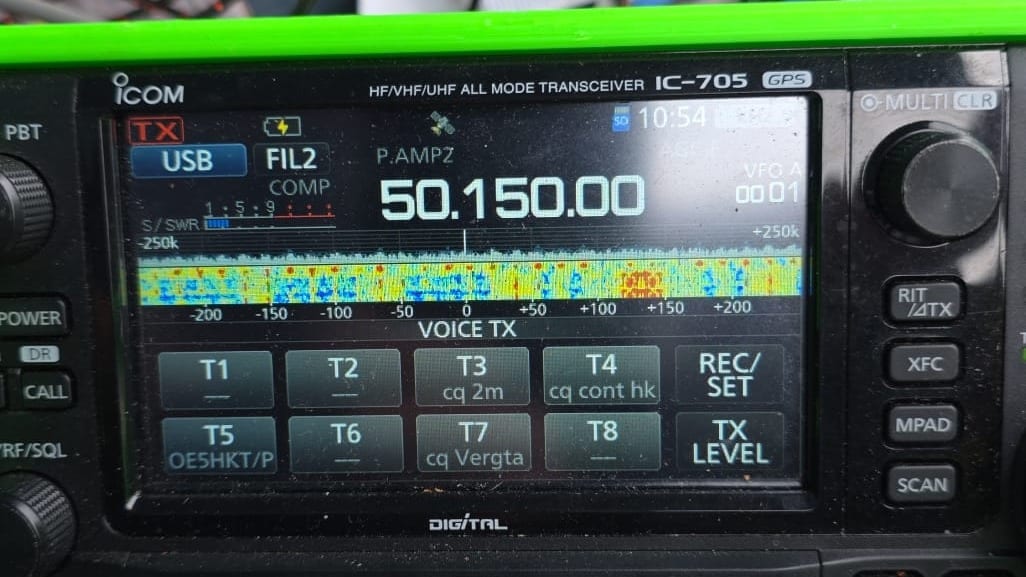
Activity Contest on the Tischberg – my first Sporadic E from a summit
1063 metres, a porter, a loose connector – and in the end a 59+60 from England on 6 metres. OE5HKT on his activity contest on the Tischberg and his first Sporadic-E QSO from a summit.
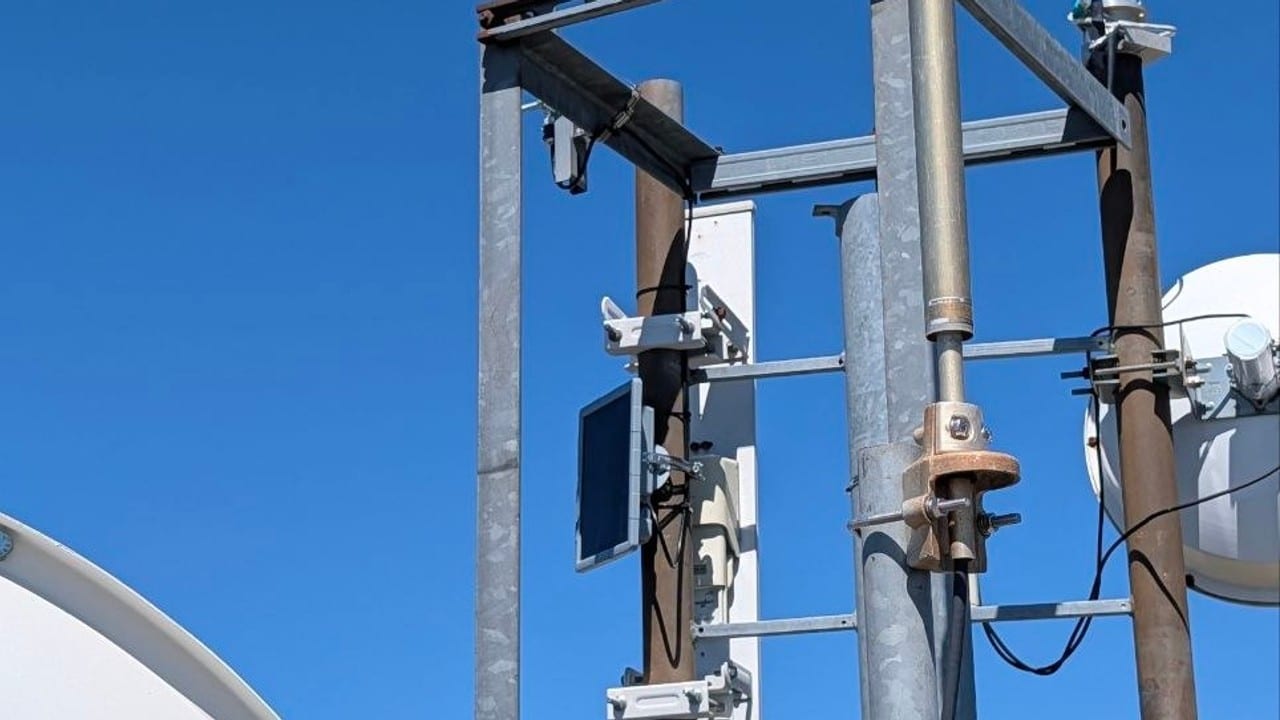
126.9 Kilometres on Half a Watt: How Carinthia's Mesh Network Grew to 32 Sites in Two Weeks
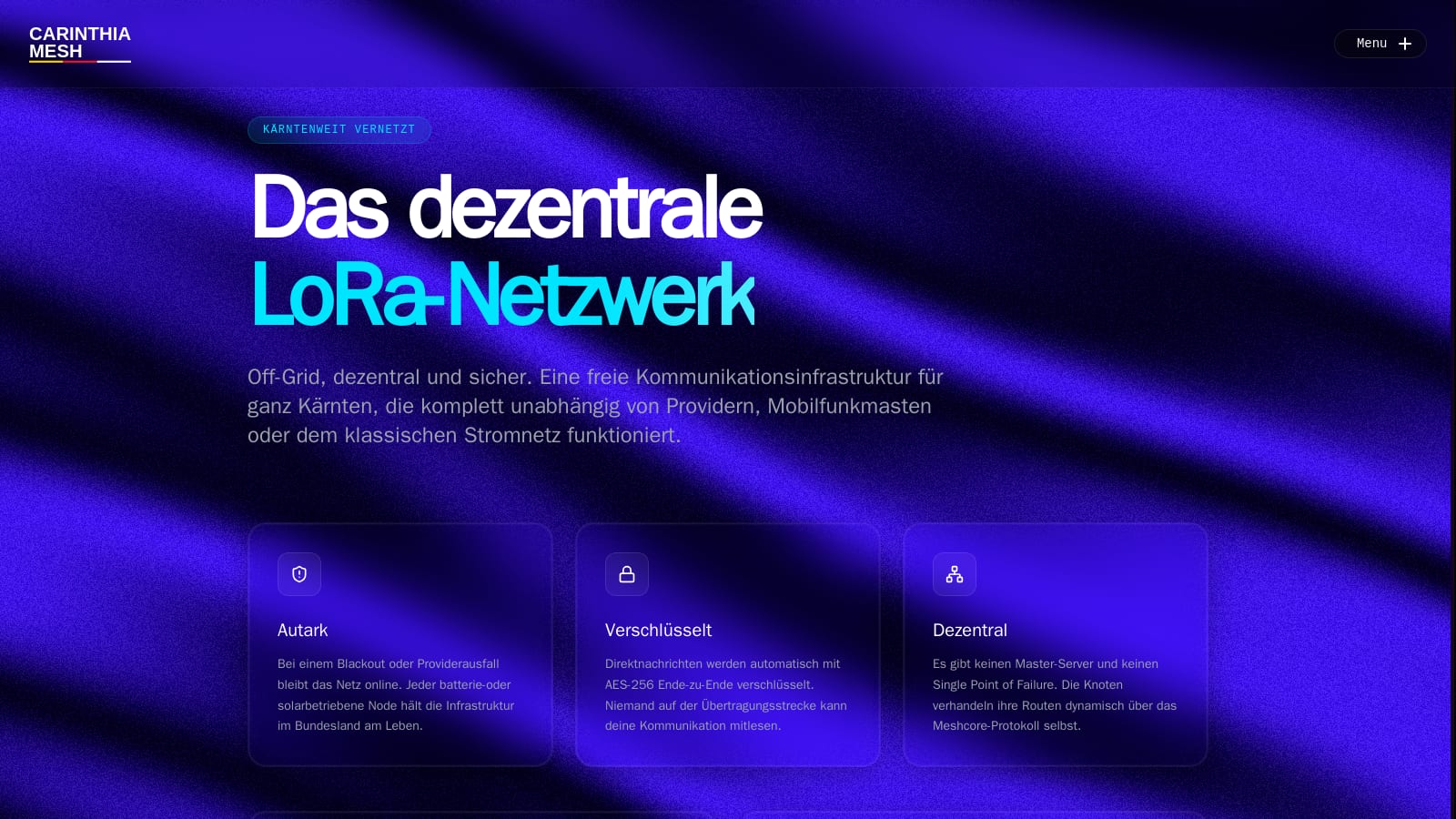
126.9 kilometres from the Koralpe into Slovenia, sent with half a watt. There is no provider and no mandate behind it, just eight people carrying boxes up mountains. A stocktake with numbers, and with what the numbers do not say.
D-STAR Explained: Reflectors and Callsign Routing
D-STAR (Digital Smart Technologies for Amateur Radio) was the first digital voice system designed specifically for amateur radio — and it is still in daily use. This article explains what happens under the bonnet: how the…
Legendary Amateur Radio Transceivers – Radios That Made History
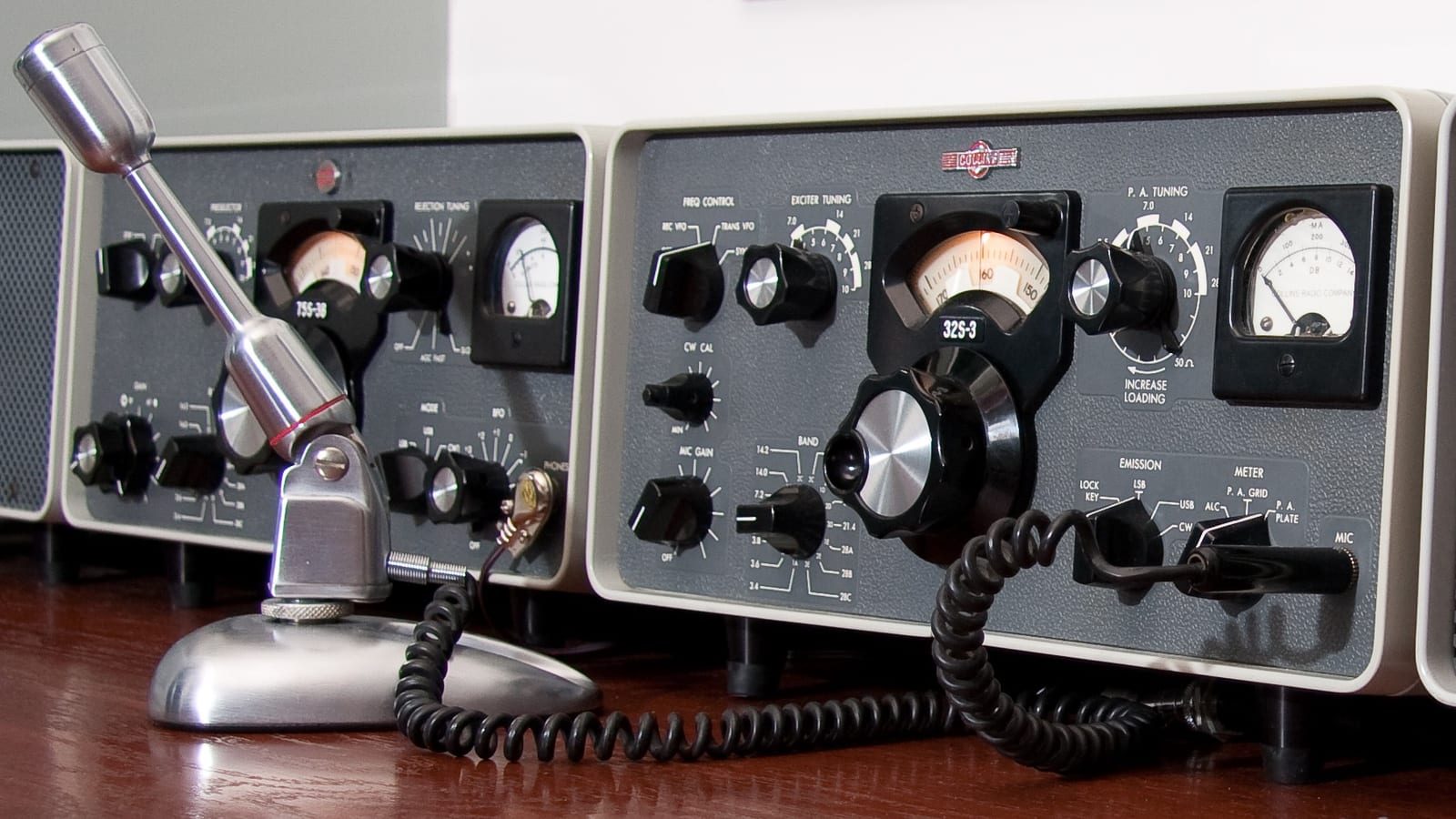
Some amateur radio transceivers are more than mere technology — they are milestones that fundamentally changed the hobby. From the glowing valves of the post-war era to the Software Defined Radios of today, certain transceivers have…
IOTA (Islands on the Air): Island DXing and Awards
First the awkward news: Austria has not a single IOTA island. Not the Donauinsel in Vienna, not the islands in Lake Wörthersee, none at all. Anyone in OE who wants to activate an IOTA reference has…
ARDF (Amateur Radio Direction Finding): Fox Hunting
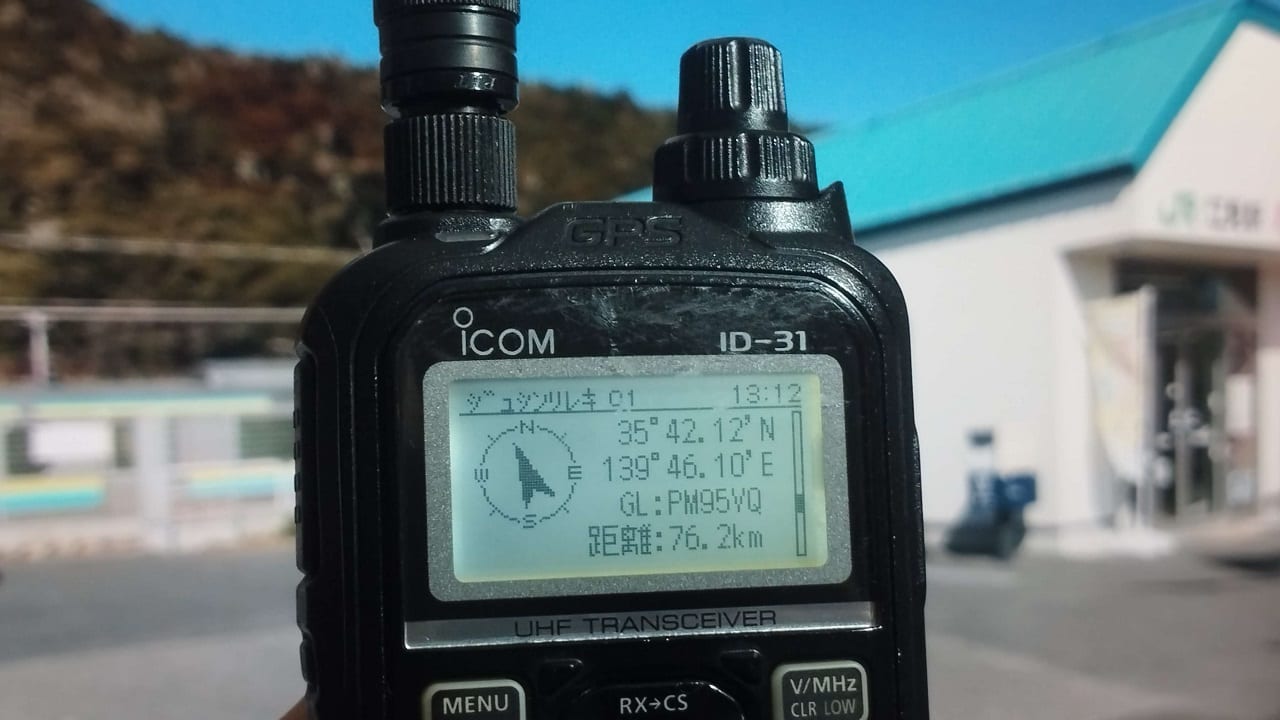
Five transmitters are hidden somewhere in the forest. Each one comes up for exactly one minute, then the next takes over. You have a map, a compass, a direction-finding receiver and running shoes — and you…
MeshCore: Radio Without a Mobile Network. Now Is the Moment to Join In
There are moments when you can get in on a radio project early enough that your own participation still changes something. With MeshCore , that moment is now. The network is growing, the map still has…