Category: Amateur Radio
IOTA (Islands on the Air): Island DXing and Awards
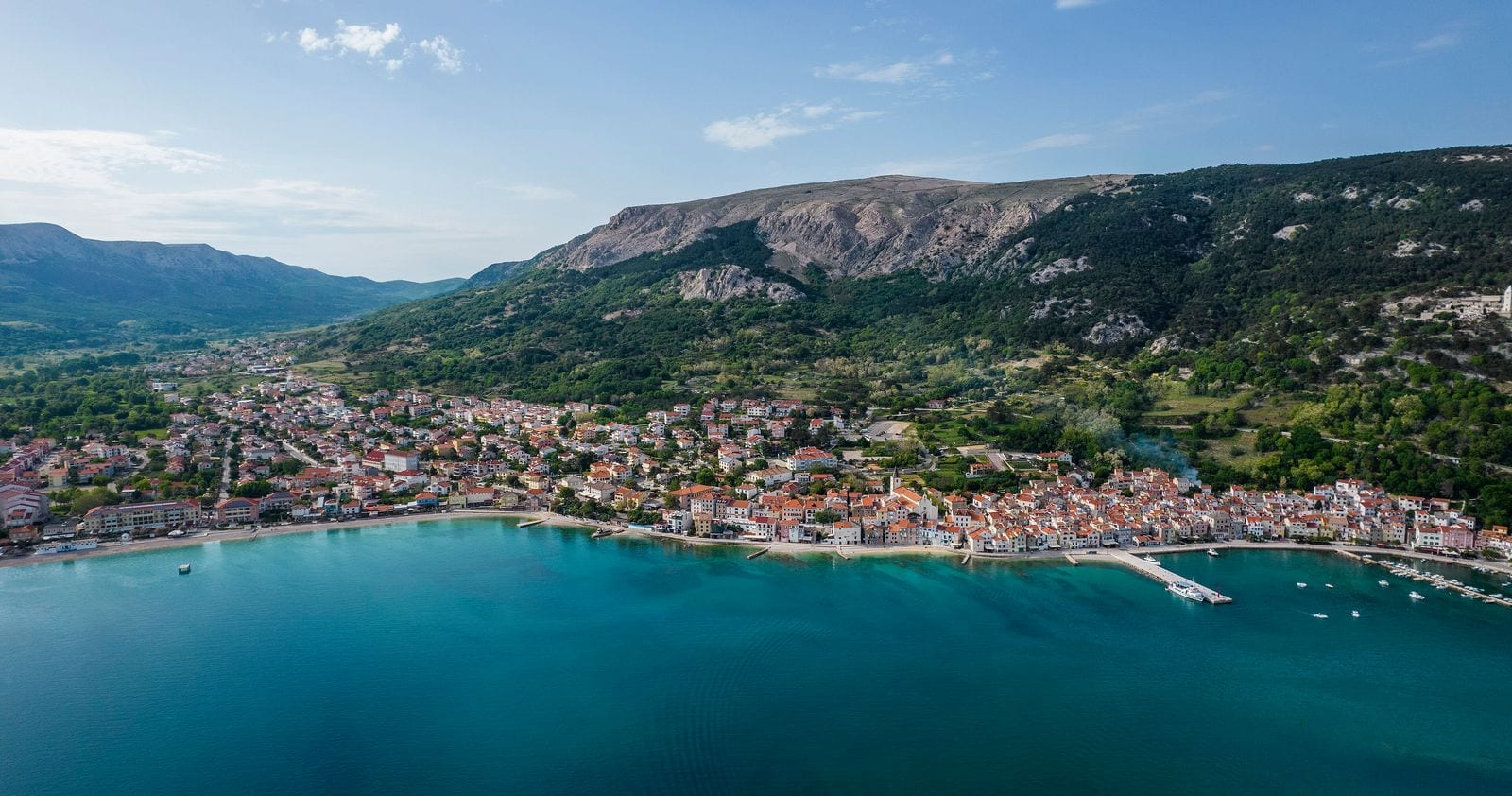
First the awkward news: Austria has not a single IOTA island. Not the Donauinsel in Vienna, not the islands in Lake Wörthersee, none at all. Anyone in OE who wants to activate an IOTA reference has…
ARDF (Amateur Radio Direction Finding): Fox Hunting
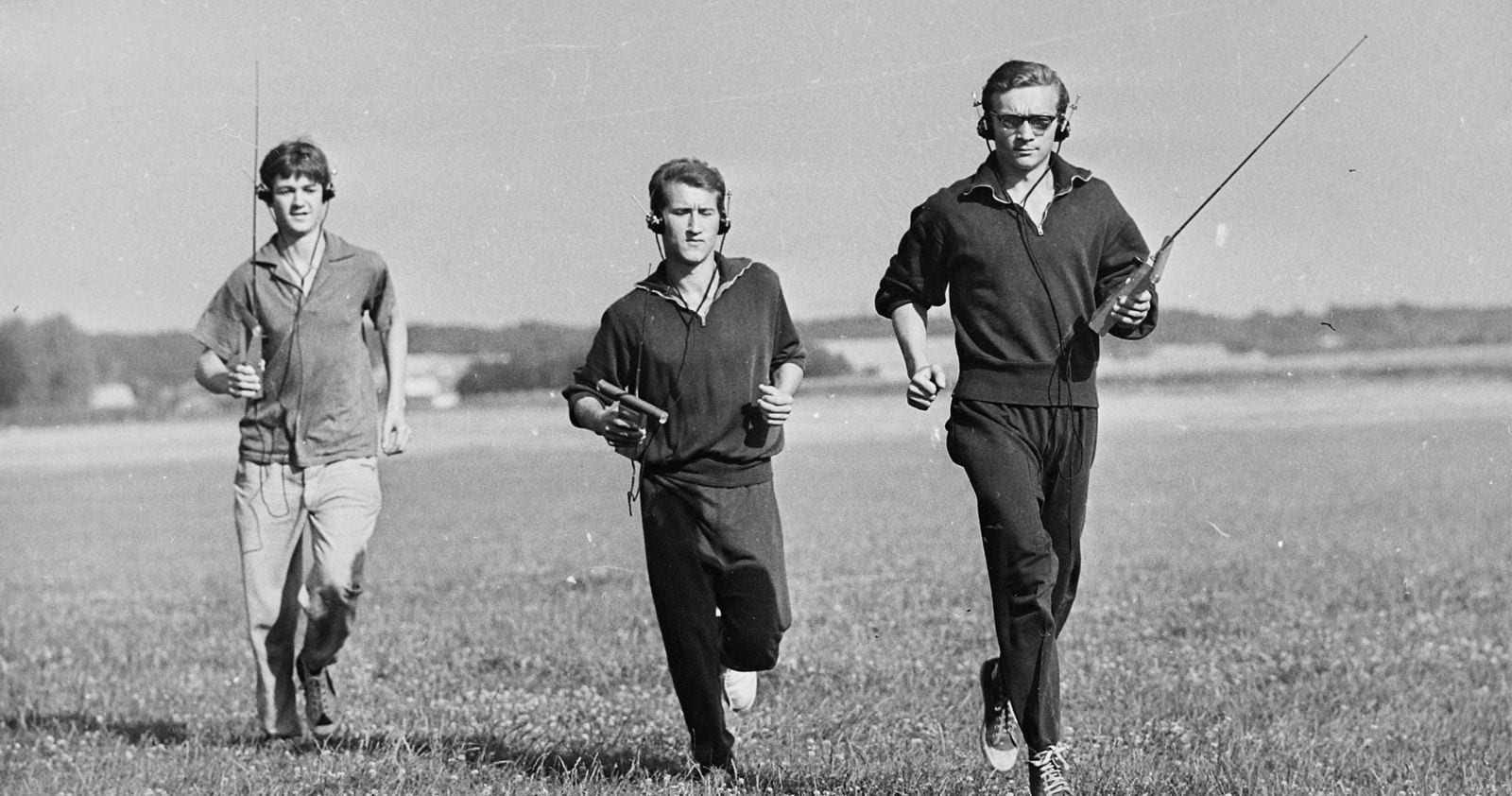
Five transmitters are hidden somewhere in the forest. Each one comes up for exactly one minute, then the next takes over. You have a map, a compass, a direction-finding receiver and running shoes — and you…
RaDAR Rally: Set Up Fast, Make Contacts, Move On
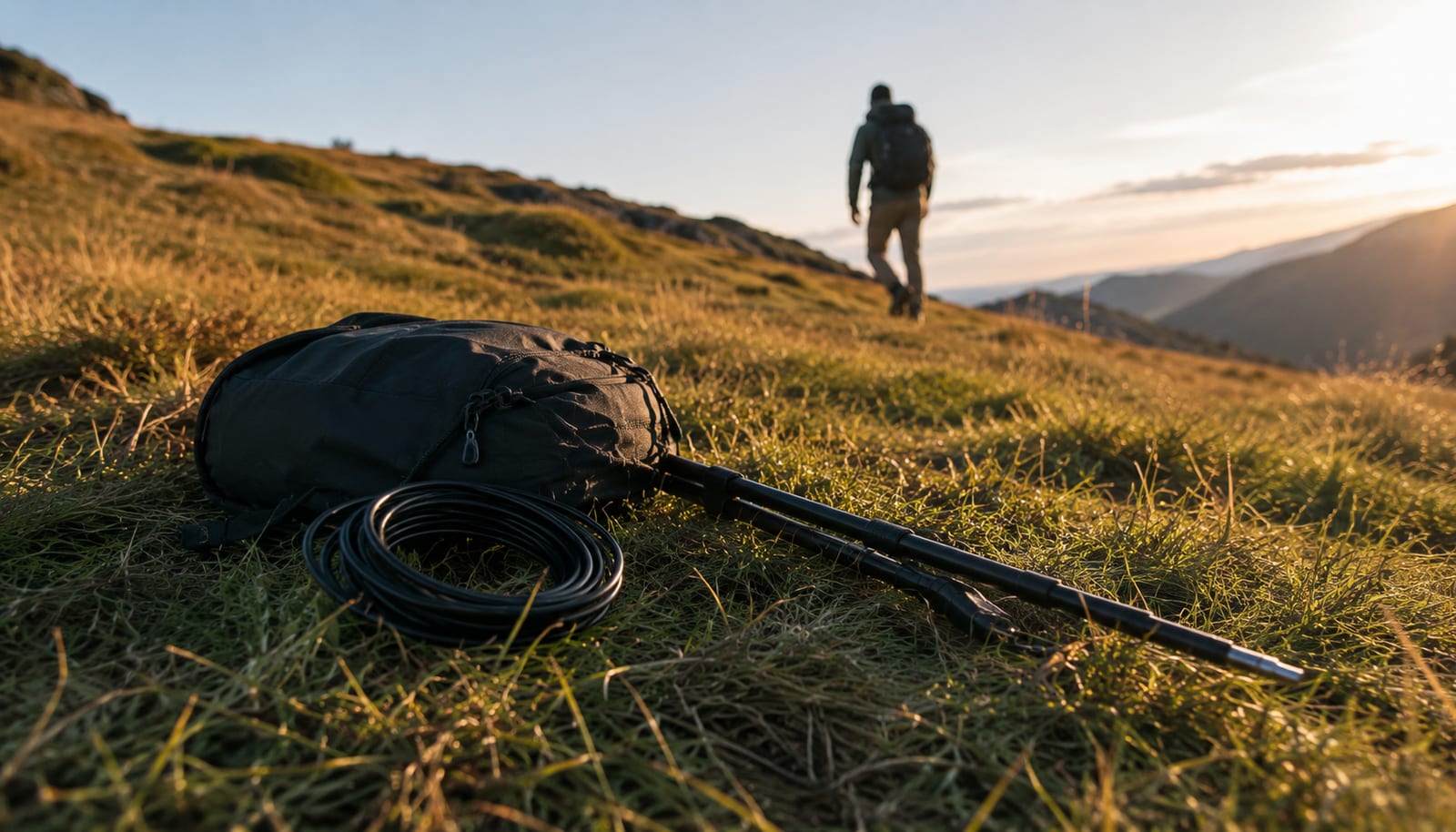
Imagine this: you are hiking through the Austrian countryside, you set up a complete amateur radio station in just a few minutes, make five contacts, pack everything away — and walk another kilometre to do it…
Reverse Beacon Network (RBN): Global Skimmer Network
You call CQ on 14025 kHz, nobody answers — and 30 seconds later you know that someone in Finland copied you at 22 dB above the noise. That is what the Reverse Beacon Network does: a…
What Counts When Nobody Is Counting
Without points, hardly anyone would be standing on a summit at five in the morning. The programmes are a gift to this hobby. And still there is that moment when you realise: right now I am not a person to the other operator, I am a data field.
Haunoldköpfl and Antelao: Two SOTA First Activations in the Dolomites
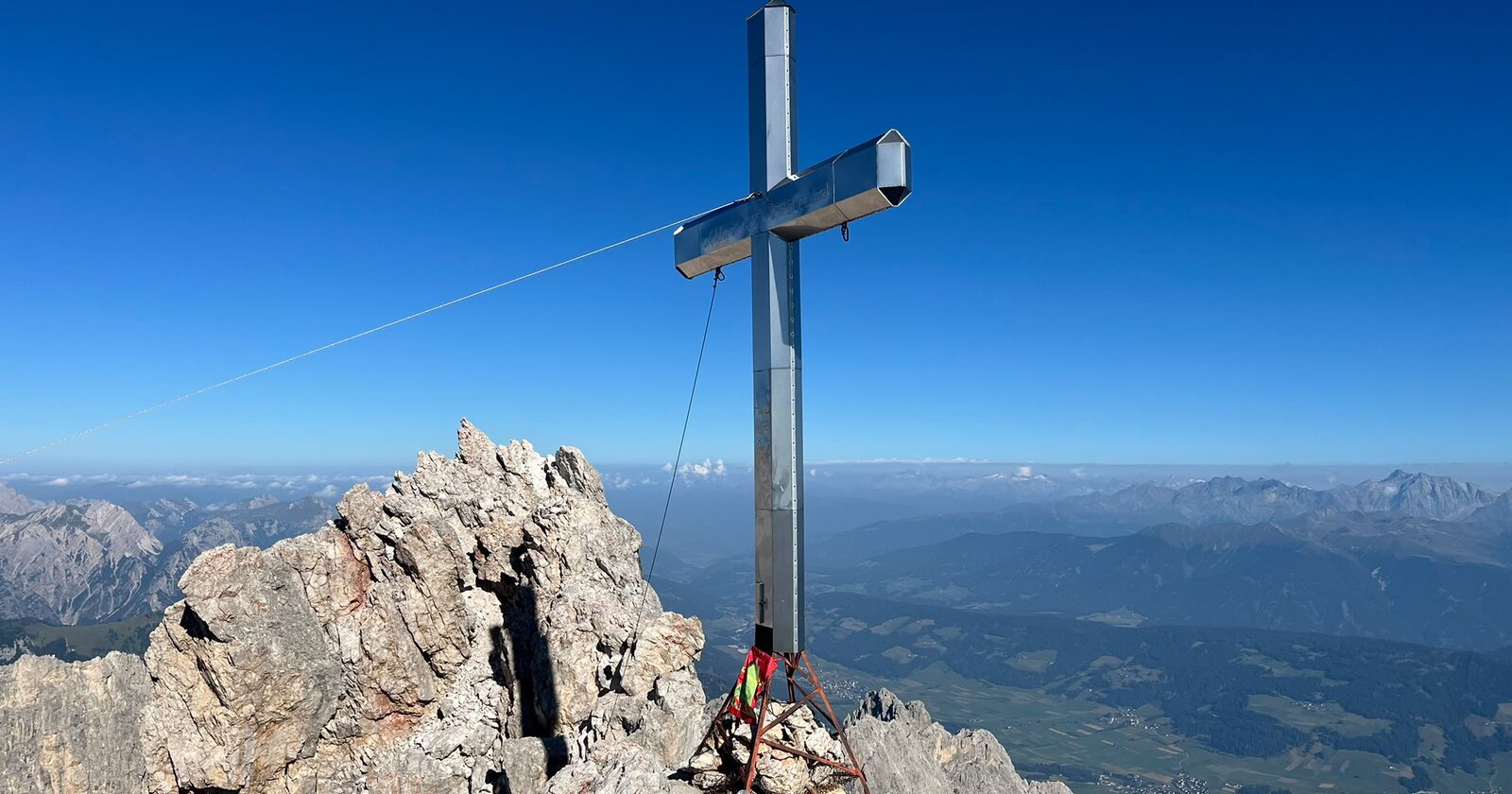
The weather forecast, the shift schedule and the construction schedule finally make the long-planned SOTA first activations "Haunoldköpfl I/AA-059" and "Antelao I/VE-001" come true. I do know these summit tours, but 20 years ago I had…
Troposcatter and Rain Scatter – VHF/UHF DX via Atmospheric Scattering
On VHF and UHF, range normally ends at the horizon. But the atmosphere has some tricks up its sleeve that enable radio contacts far beyond line of sight — without the ionosphere, satellites, or the Moon.…
SO2R: Single-Operator-Two-Radio for Contesters
A contest lives and dies by rate: as many contacts per hour as possible, as many multipliers as possible. And there's an uncomfortable truth here – while you're calling CQ and waiting for an answer, nothing…
Old Open-Ended Amateur Radio Licence? This Deadline Matters
Anyone who received their amateur radio licence up to and including 30 November 2018, and had it issued as "open-ended" back then, will lose it – on a cut-off date that depends on the year in…
Low-Band DX: 160m and 80m at Night for Worldwide Contacts
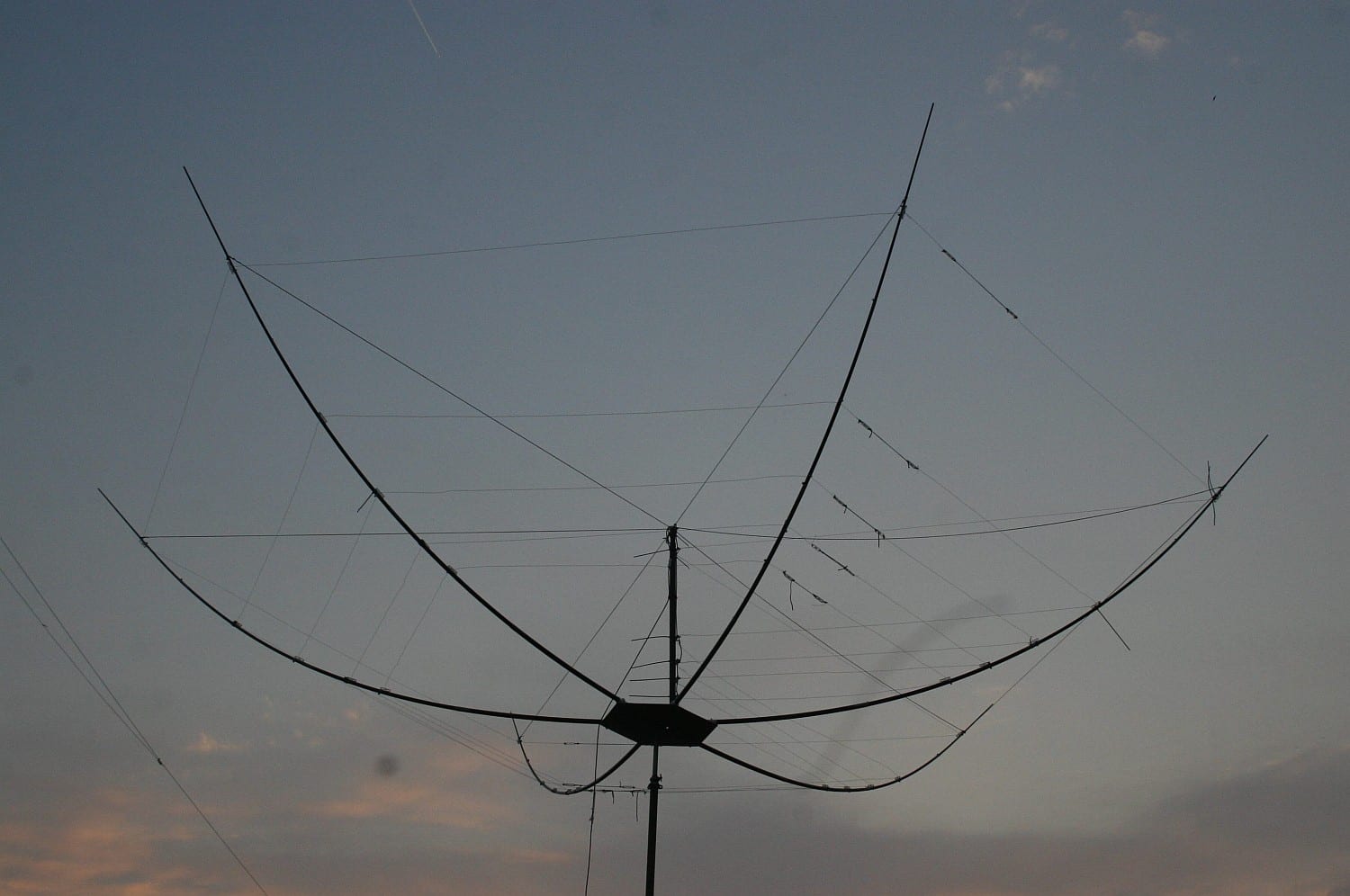
160 m and 80 m are considered the supreme discipline of shortwave DX. During the day they barely reach beyond your own region, but at night worldwide, intercontinental paths open up. Anyone who pulls weak signals…
AREDN: Mesh Networks Using Wi-Fi Hardware for Amateur Radio
Imagine turning a second-hand Wi-Fi router costing EUR 30 into an amateur radio network node that automatically connects with other nodes, forms a self-healing IP network and runs services such as VoIP telephony, video surveillance or…
Emergency Go-Box: Building a Portable Emergency Radio Station
When conventional communications fail during a blackout, earthquake, or severe storm, radio amateurs are often the last link to the outside world. A prepared emergency go-box — a fully equipped portable radio station in a rugged…