Category: Amateur Radio
Meshtastic in Practice: Off-Grid Messaging with LoRa Mesh
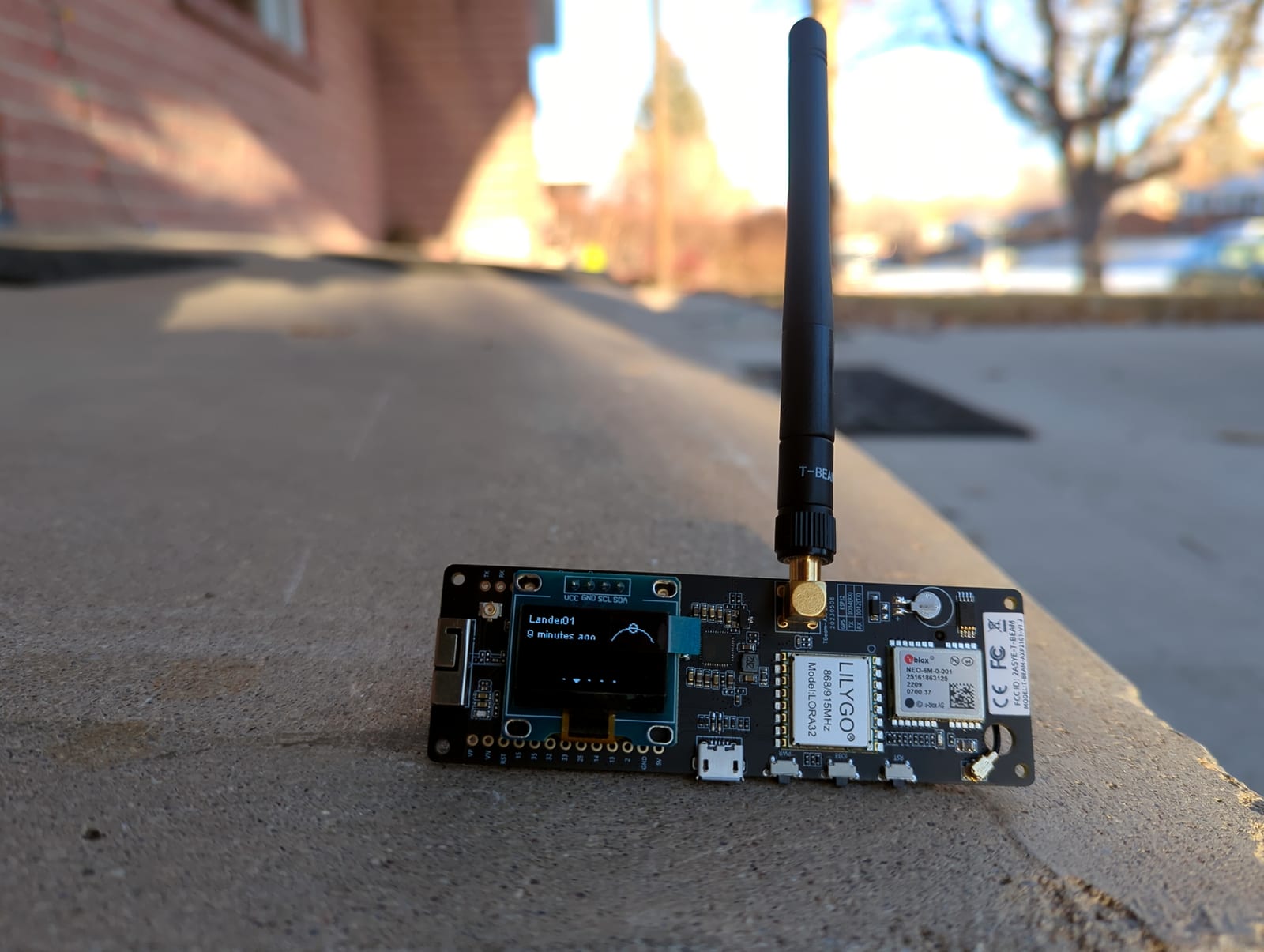
Sending text messages, sharing GPS positions and receiving sensor data, without the internet, without a mobile network, without mains power. And all of it with hardware costing around 35 euros. What sounded like a niche project…
Yaesu C4FM/Fusion: Analog-Compatible Digital Voice
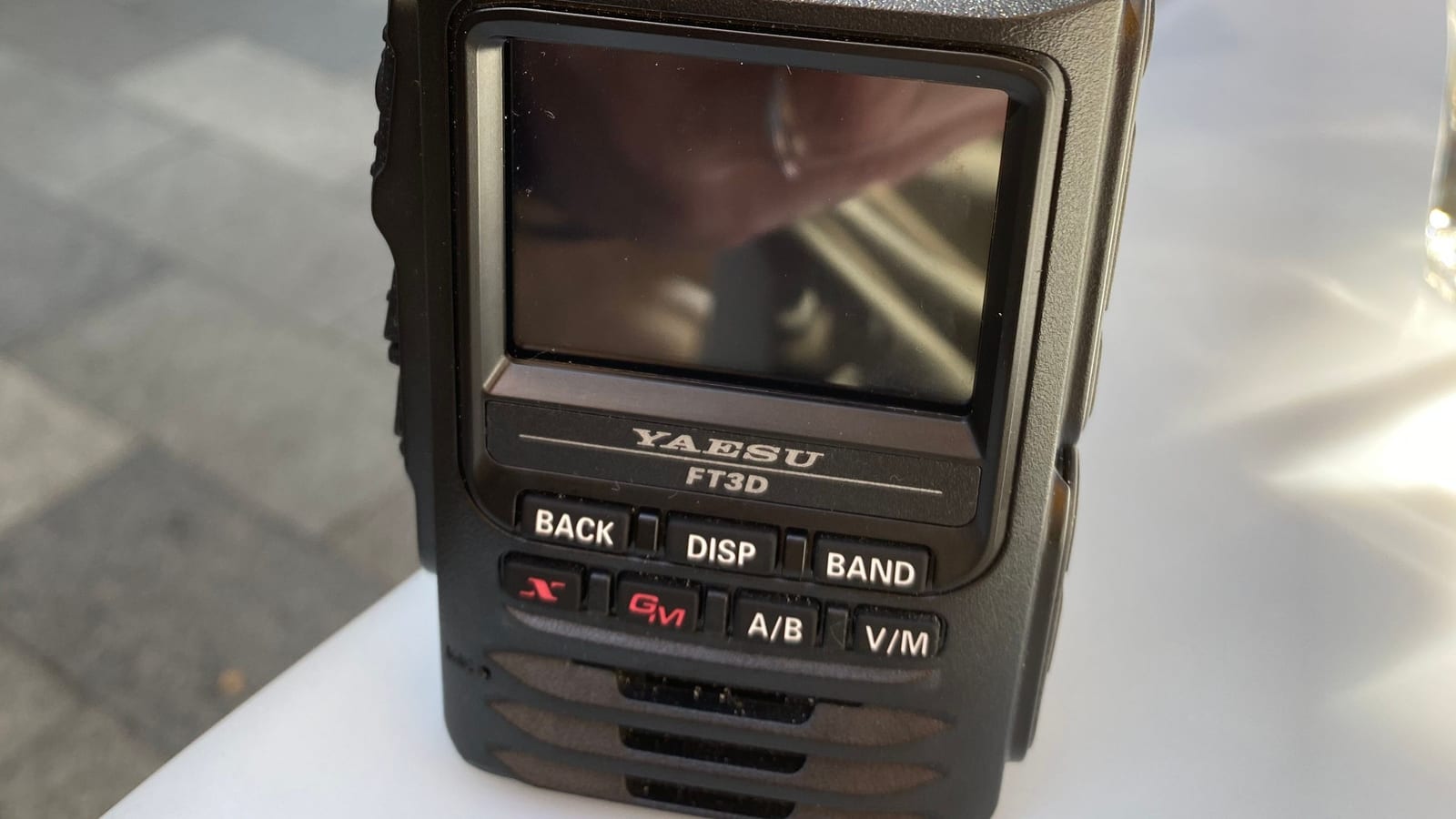
C4FM is Yaesu's digital voice mode, marketed as System Fusion . Its unique selling point is right there in the name: because C4FM is a flavour of frequency shift keying, it sits technically close enough to…
Radio from the eternal ice: Neumayer Station III and DP0GVN
In 2023, 160 pupils from Hermagor worked Antarctica via QO-100. On 20 September, someone who actually lived down there comes to Villach and tells how it really was.
Icom IC-7110: the X-026 concept becomes a production radio
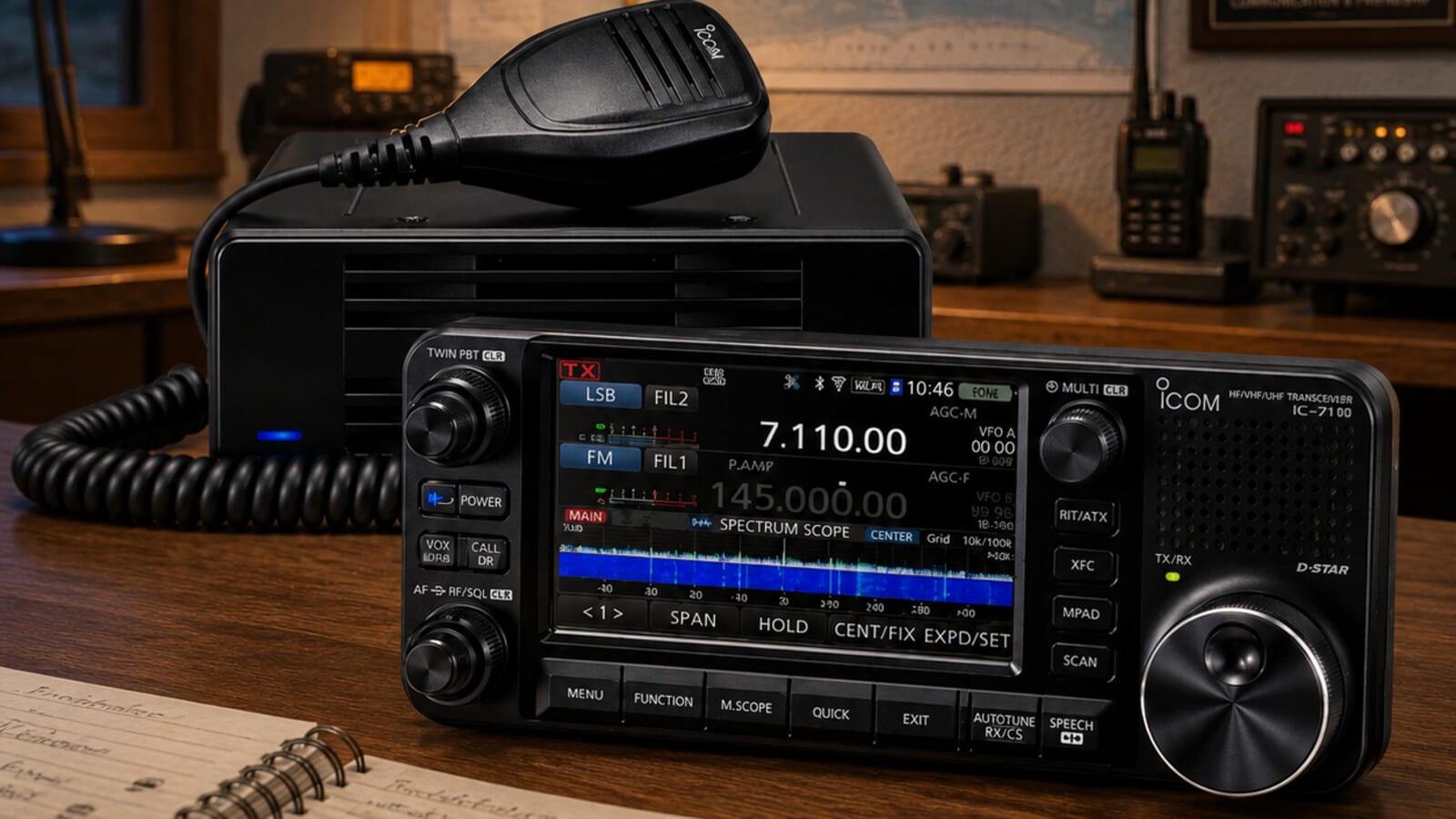
For four months the X-026 was a mock-up without a spec sheet. At the Tokyo Ham Fair Icom finally answered: it is the IC-7110, successor to the IC-7100. What is confirmed, what is missing — and why the 70 MHz on the spec sheet is its own story in Austria.
Amplifiers: Selection, Safety and Grounding
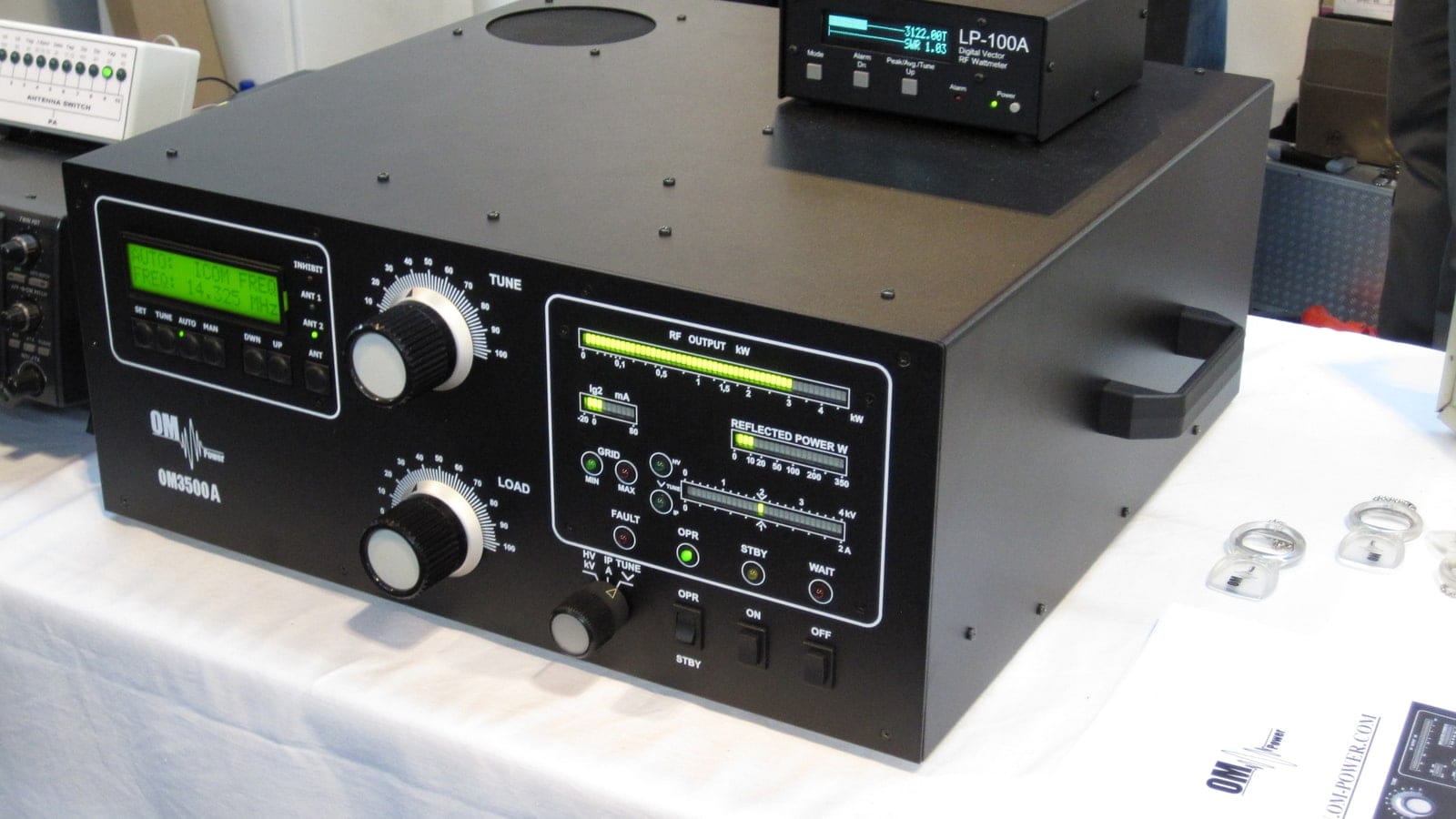
An amplifier buys you about one and a half S-units — along with high voltage, heat, mains current and a stack of regulations. What is actually permitted in Austria, how tubes and LDMOS differ, how to set up drive, ALC and grounding properly, and what to check when buying used.
KiwiSDR: The Global Network of Open HF Receivers
Imagine being able to access a shortwave receiver in New Zealand from your living room, simultaneously open a second one in Japan, and triangulate a signal with a third in Scandinavia — all in your browser,…
23-cm Band and Higher: Microwave Bands Entry
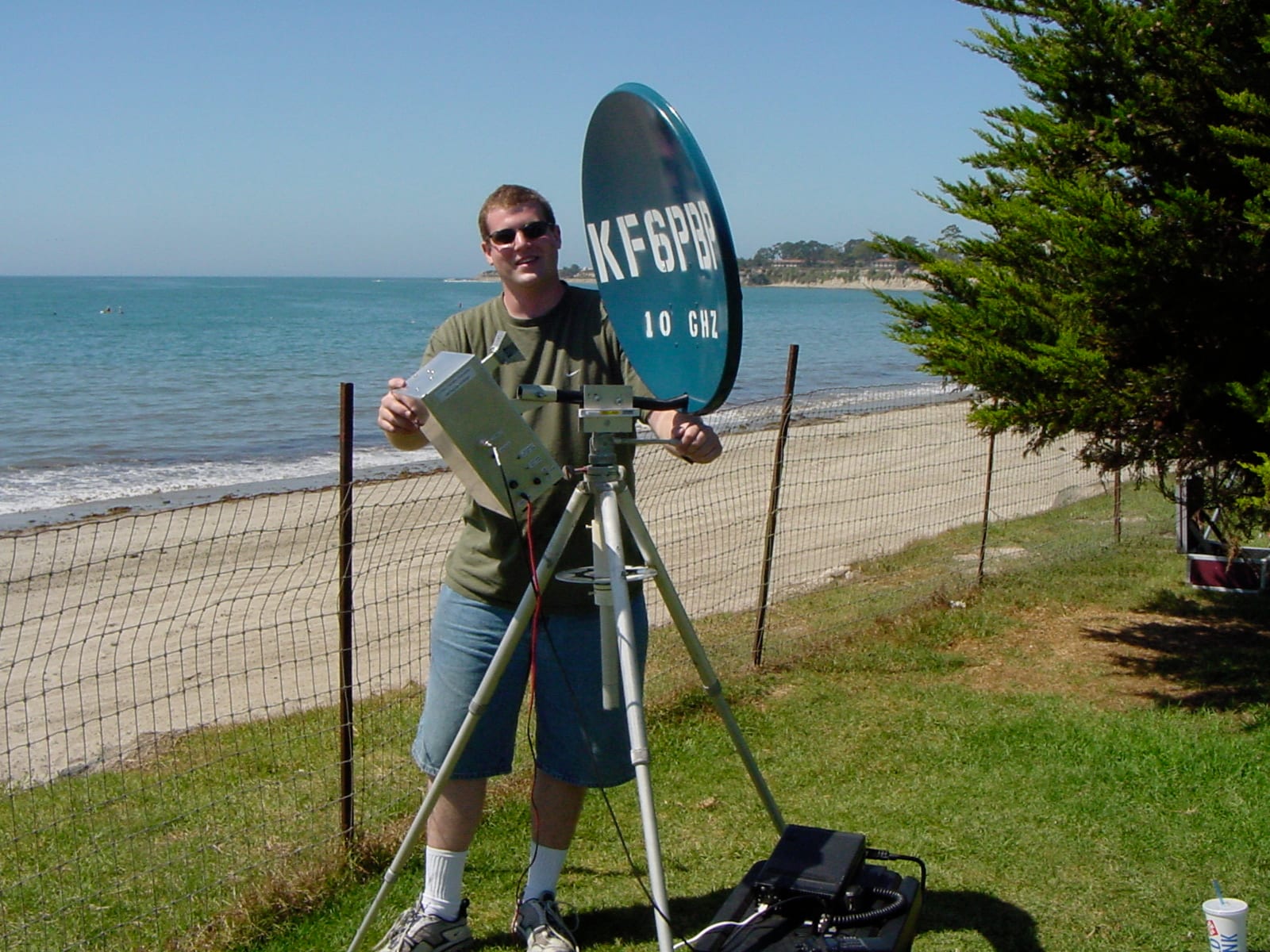
Above 1 GHz begins the part of amateur radio where you still aim antennas by hand. What is left on 23 cm in Austria after the power restriction, what CEPT decided in 2025, and why the easiest entry today runs via QO-100.
Meteorscatter on VHF: Short Bursts for DX
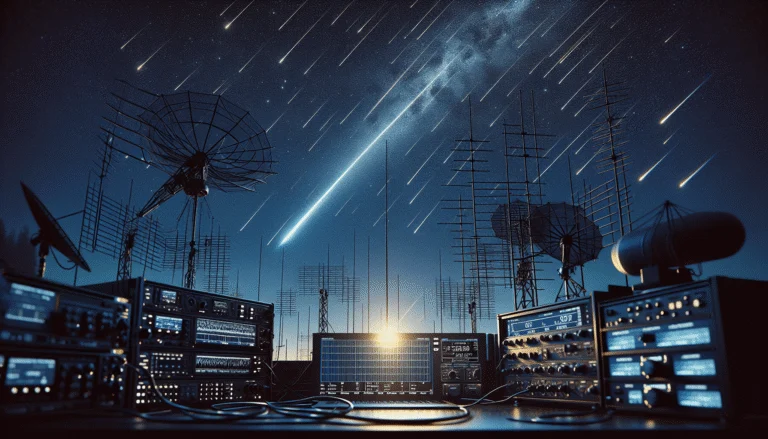
Meteorscatter uses meteor trails for VHF DX. Ionized trails reflect VHF signals for 0.1-10 seconds. Best during meteor showers (Perseids, Geminids). MSK144 mode optimized for short bursts. Equipment: VHF transceiver, 100W+, high-gain Yagi, WSJT-X software. Range:…
Running OpenWebRX+: Your Own Web-Based SDR Server
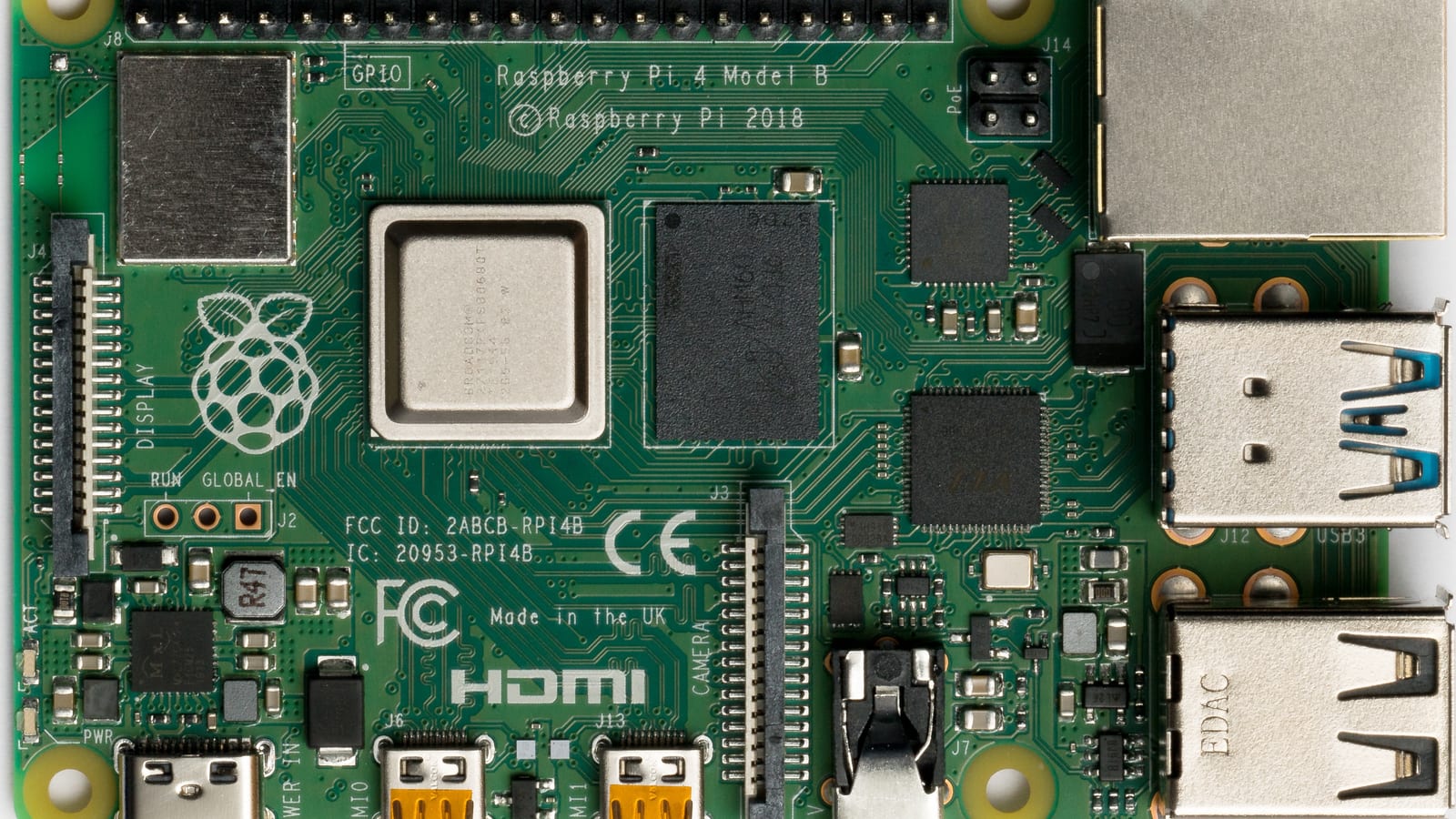
Imagine sharing your radio receiver with the entire world — directly through a web browser, without anyone needing to install software. That is exactly what OpenWebRX+ enables: an open-source project that turns a Raspberry Pi and…
P25 and NXDN: Commercial Standards in Amateur Radio
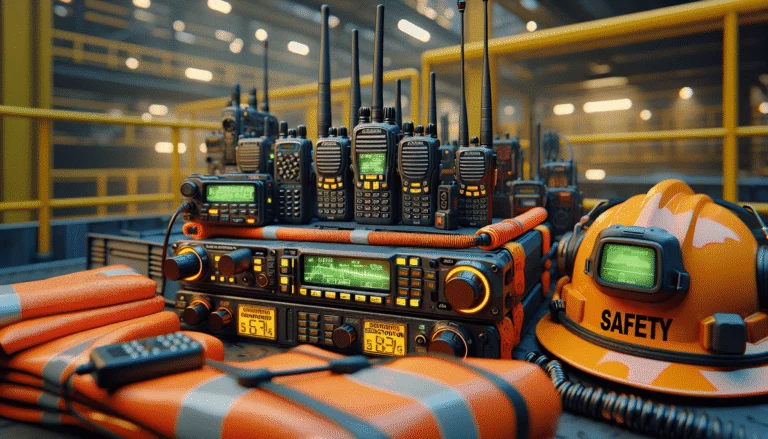
P25 and NXDN are commercial digital radio standards used in amateur radio. P25: public safety standard with FDMA/TDMA. NXDN: Icom/Kenwood, 6.25 kHz narrowband, efficient. Important: Encryption prohibited in amateur radio! Use only unencrypted mode. 73 –…
D-STAR Explained: Reflectors and Callsign Routing
D-STAR (Digital Smart Technologies for Amateur Radio) was the first digital voice system designed specifically for amateur radio — and it is still in daily use. This article explains what happens under the bonnet: how the…
Legendary Amateur Radio Transceivers – Radios That Made History
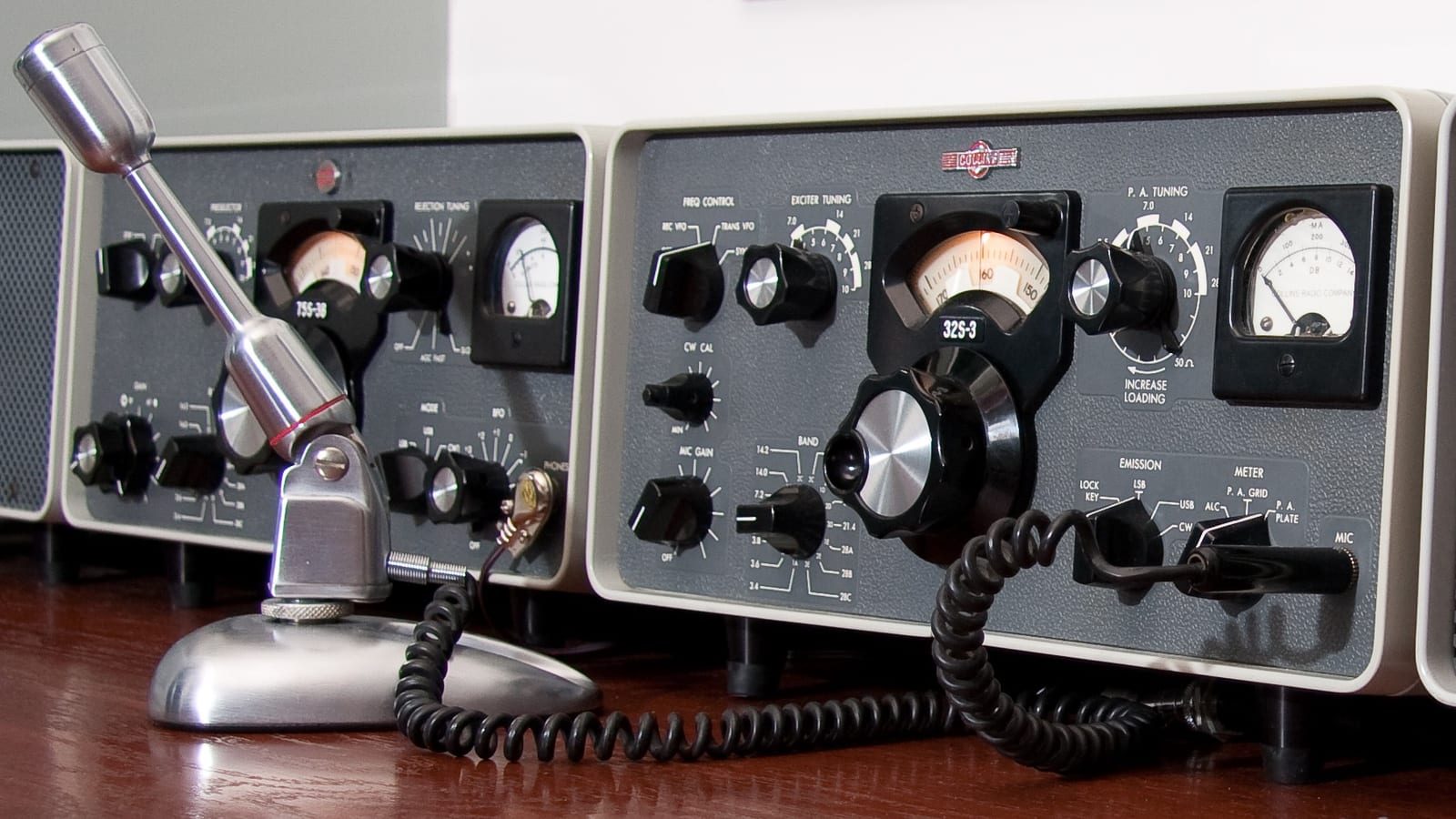
Some amateur radio transceivers are more than mere technology — they are milestones that fundamentally changed the hobby. From the glowing valves of the post-war era to the Software Defined Radios of today, certain transceivers have…