oeradio.at – Amateurfunk in Österreich
Latest Articles
Amateur Radio and Travel – CEPT Licensing and Operating Abroad
Amateur radio knows no borders — at least the radio waves don't. But anyone travelling with a transceiver in their luggage quickly faces a crucial question: Am I actually allowed to operate in another country? The…
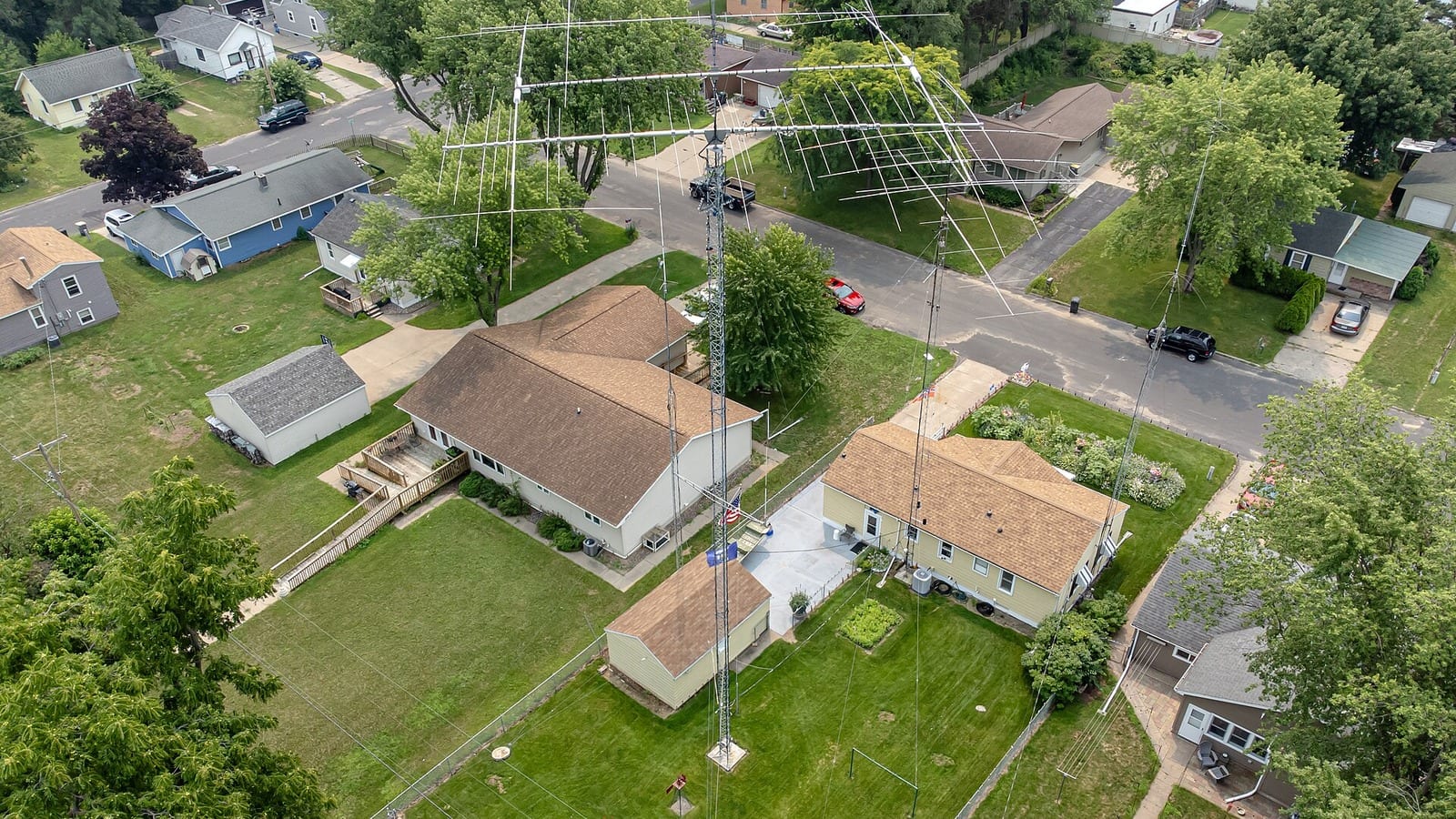
Antennas and Tenancy Law in Austria: Who Has to Consent, and How Do You Get It?
The question is not which antenna. The question is who has to consent, what happens when nobody answers, and how the notification must be worded so that silence works in your favour. With § 9 MRG in detail, the two-month deadline, OGH case law and a template letter.
Amateur Radio Legislation in Austria: AFG, AFV and What You Need to Know
Austrian amateur radio law has changed considerably in the past three years: power levels up to 1,000 watts, licences valid for ten years only, an entirely new fee ordinance and a phase-out plan for old open-ended licences. Here is the current state of play, with paragraphs and amounts.
Receiving Paragliders and Gliders: An OGN Station and OpenWebRX+ on One Raspberry Pi
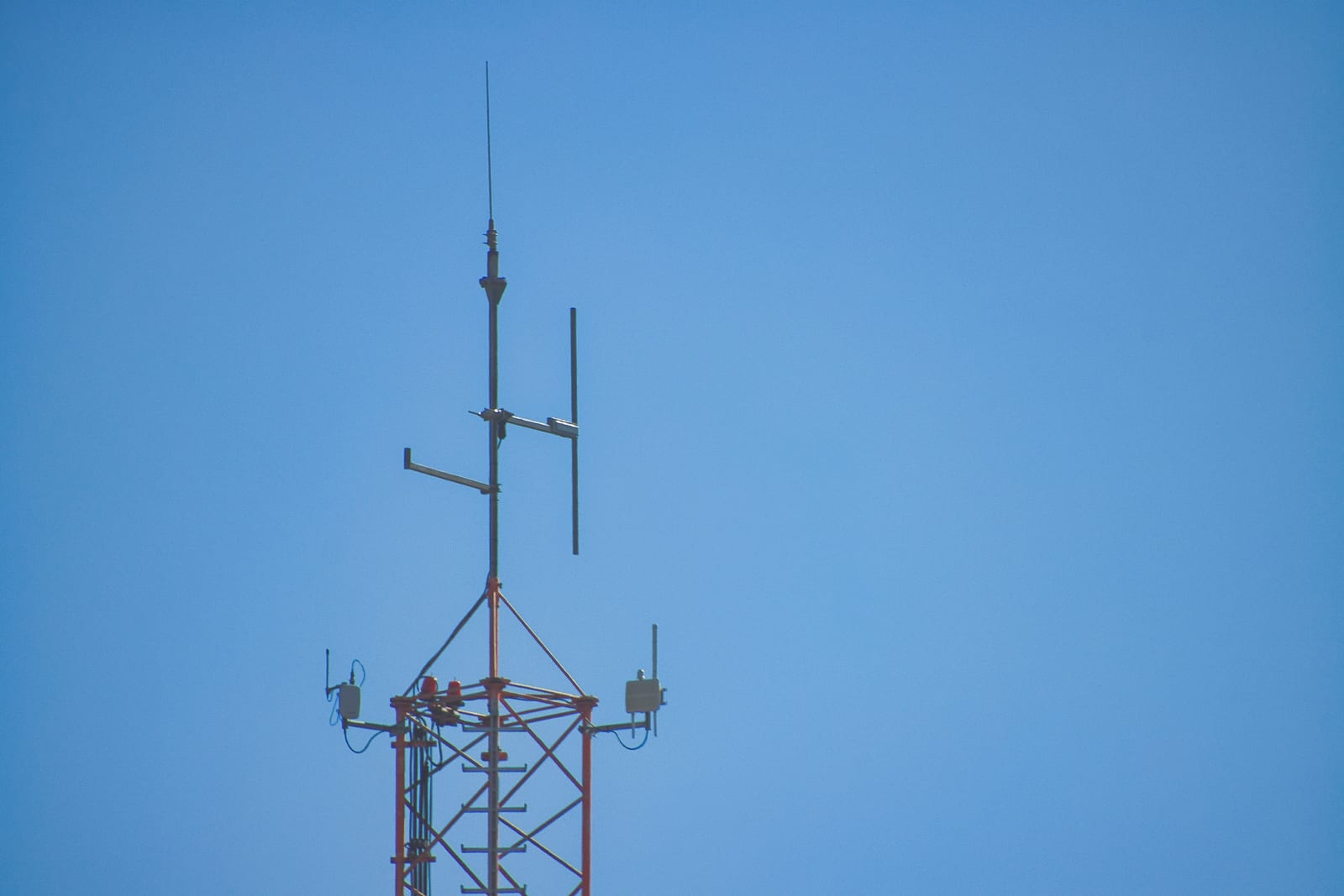
There is more in the air above the Alps than the eye can see: paragliders on FANET, gliders on FLARM, plus ADS-L and home-built ESP32 trackers. Anyone with an antenna on 868 MHz can receive all of it, feed the Open Glider Network, and still run a WebSDR on the same Raspberry Pi. What it gives you, what it costs and how to do it.
Remote Shack: Control Your Amateur Radio Station from Anywhere
The station sits where the antenna belongs and you sit somewhere else. What that actually takes: software from free to expensive, the networking problem called CGNAT, honest latency figures and the Austrian legal position under TKG 2021.
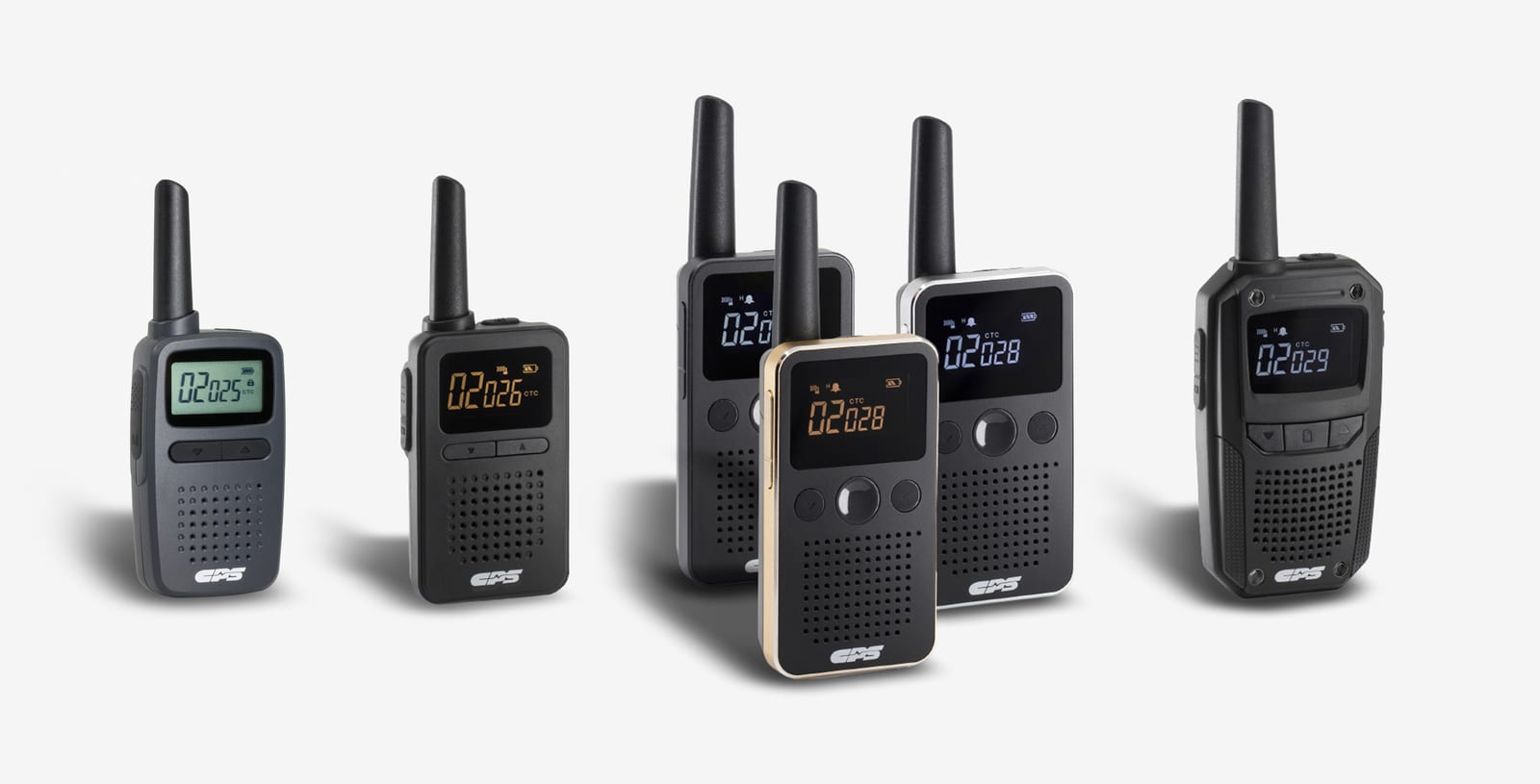
PMR446 vs. CB Radio vs. Freenet: Which Licence-Free Radio Is Right for You?
Transmitting without a licence, is that possible? Yes, through several radio services open to everyone in Austria and across Europe. The choice is confusing though: PMR446, CB radio, LPD433, Freenet. Which of these are actually legal…
DXpeditions: Planning, Logistics, and Activating Rare Entities
DXpeditions activate rare entities for DX hunters worldwide. The effort behind them ranges from a long weekend on a nearby island to an icebreaker expedition with a seven-figure budget. This article explains how planning, permits, logistics,…
Stealth Antennas for Apartments and HOAs: Invisible Operation
There are two kinds of radio amateurs without an antenna. Those who are not allowed one, and those who do not dare to ask. Both end up at the same question: how do you run a…
LoRa Gateway with an Amateur Radio Licence: Bridging RF and IP Networks
LoRa devices carry messages over kilometres, but somewhere that RF traffic has to cross into an IP network: the internet, HAMNET or a map. That is what a gateway does. Holding an amateur licence lets you…
Antenna Tuners: Manual vs. Automatic — Which Is Better?
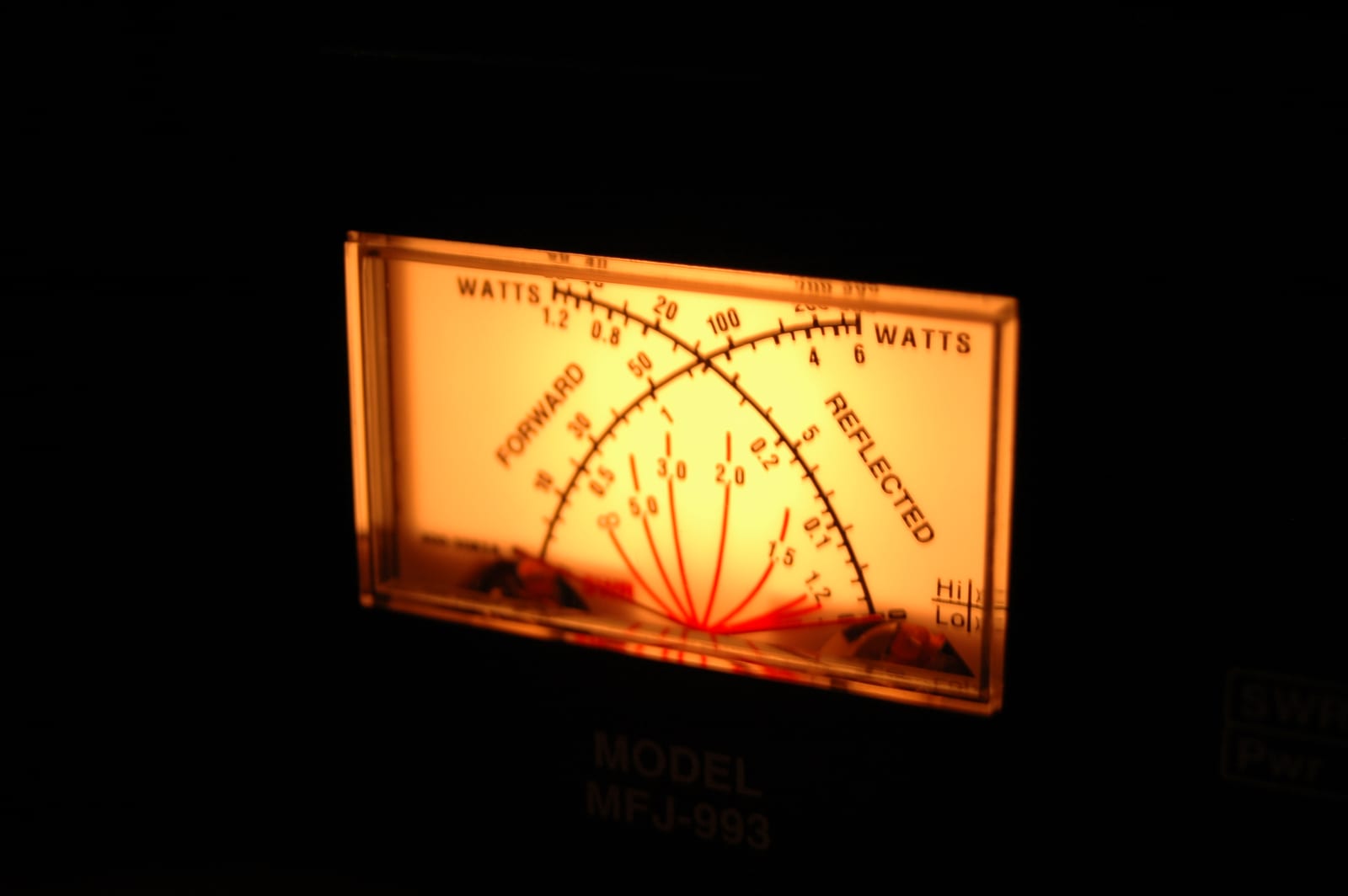
Few pieces of gear in the shack are as widely misunderstood as the matching unit. Everybody calls it an antenna tuner, and the name is the first thing that misleads: the antenna is not being tuned…
Meshtastic, MeshCore and MeshCom in the waterfall: reading LoRa with OpenWebRX+
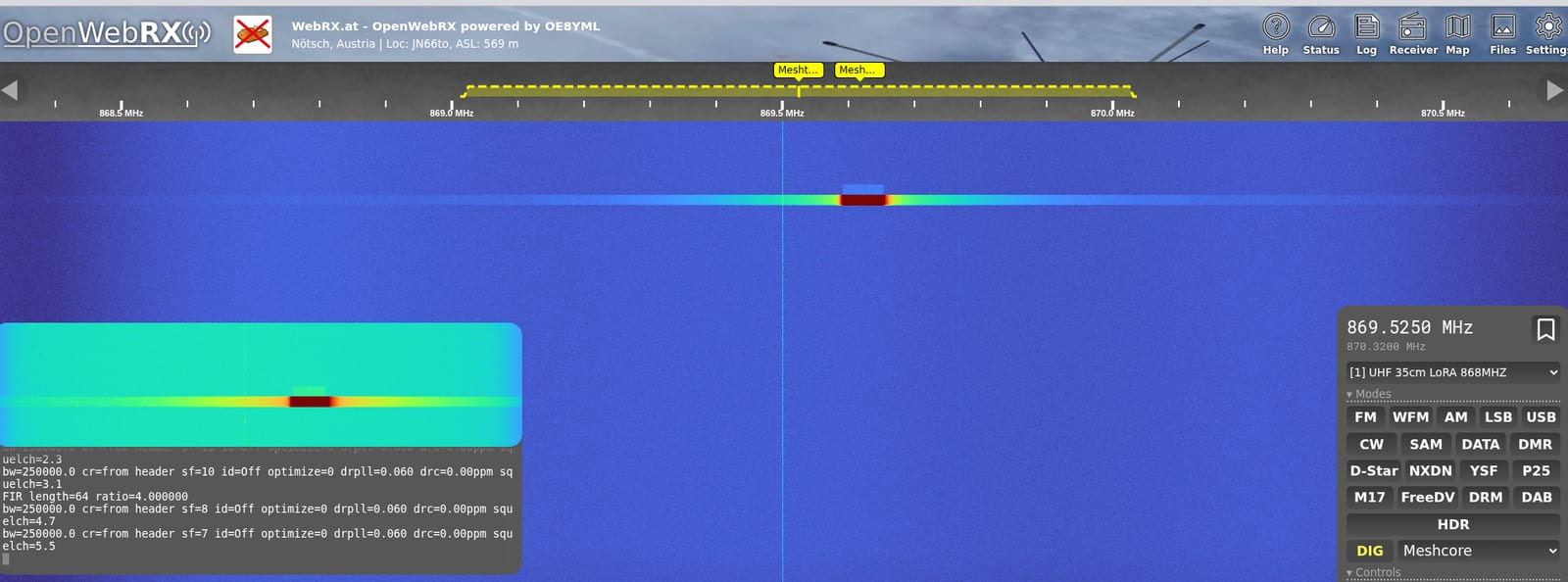
Until recently, finding out whether there is real mesh activity in your valley meant putting up a node and waiting. There is another way now: OpenWebRX+ decodes LoRa packets right in the browser , covering Meshtastic,…
Understanding Baluns and Ununs: Proper Impedance Matching
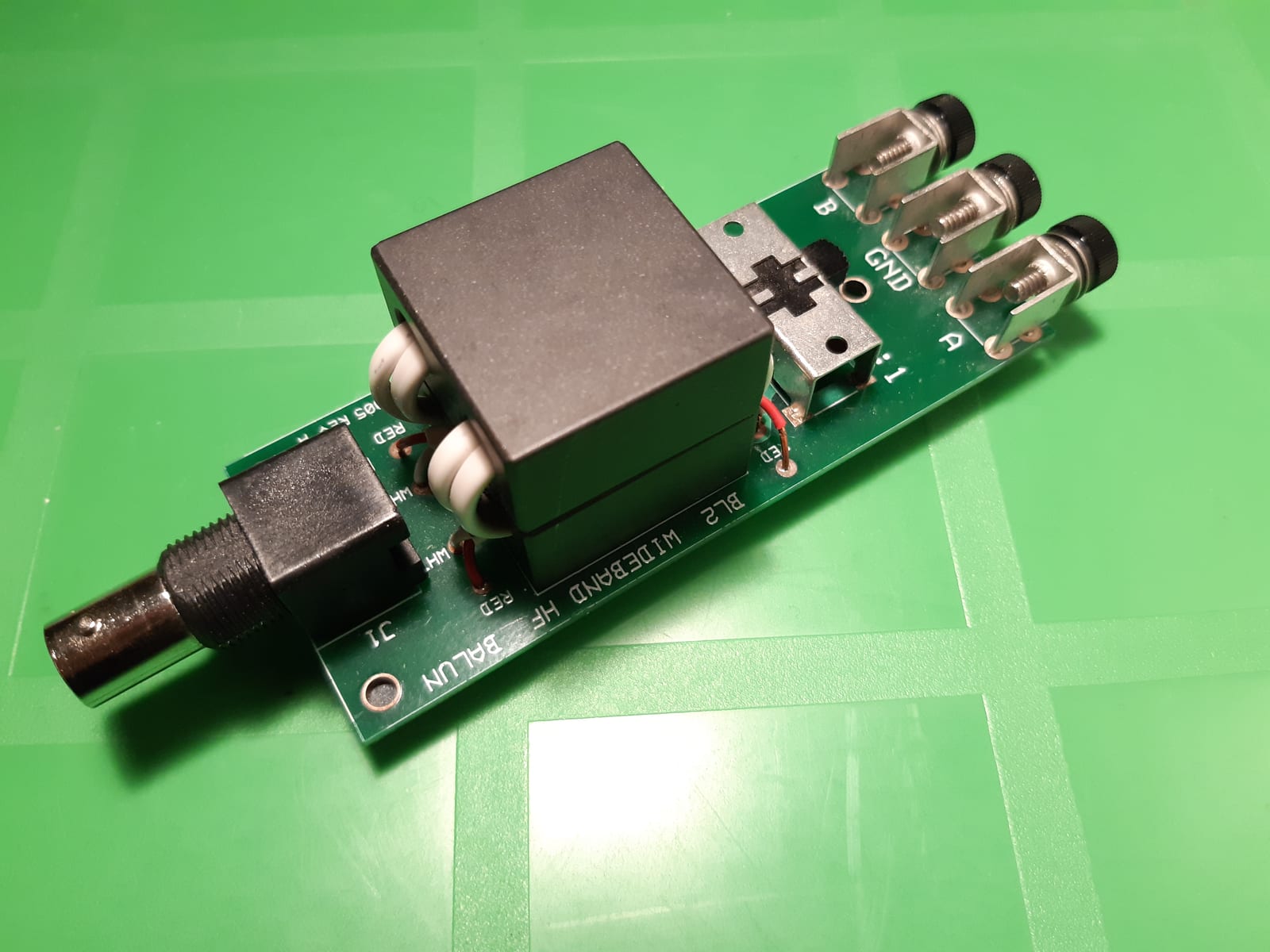
Few components in a shack are bought as often and understood as rarely as the balun. It is treated as a cure for poor SWR, for interference on the neighbour's television and for RF on the…