
Imagine sitting comfortably in your living room, on vacation at the beach, or even at the office during your lunch break – and operating your amateur radio station at home as if you were sitting right in front of it. That is exactly what a Remote Shack enables: full remote control of your amateur radio station over the Internet. What was considered an exotic novelty just a few years ago has become a practical reality for many radio amateurs thanks to modern technology and fast Internet connections.
What is Remote Operation in Amateur Radio?
Remote operation refers to controlling an amateur radio station from a distant location. The transceiver, antenna, and all associated equipment remain at a fixed location – the so-called Remote Shack – while the operator accesses the station via an Internet connection from anywhere. Operation is carried out using special software that displays the transceiver's front panel on screen, handles audio transfer, and enables control of all functions such as PTT, frequency selection, mode switching, and antenna control.
Why Remote Operation? Key Reasons
There are many compelling reasons why radio amateurs choose a remotely controlled station:
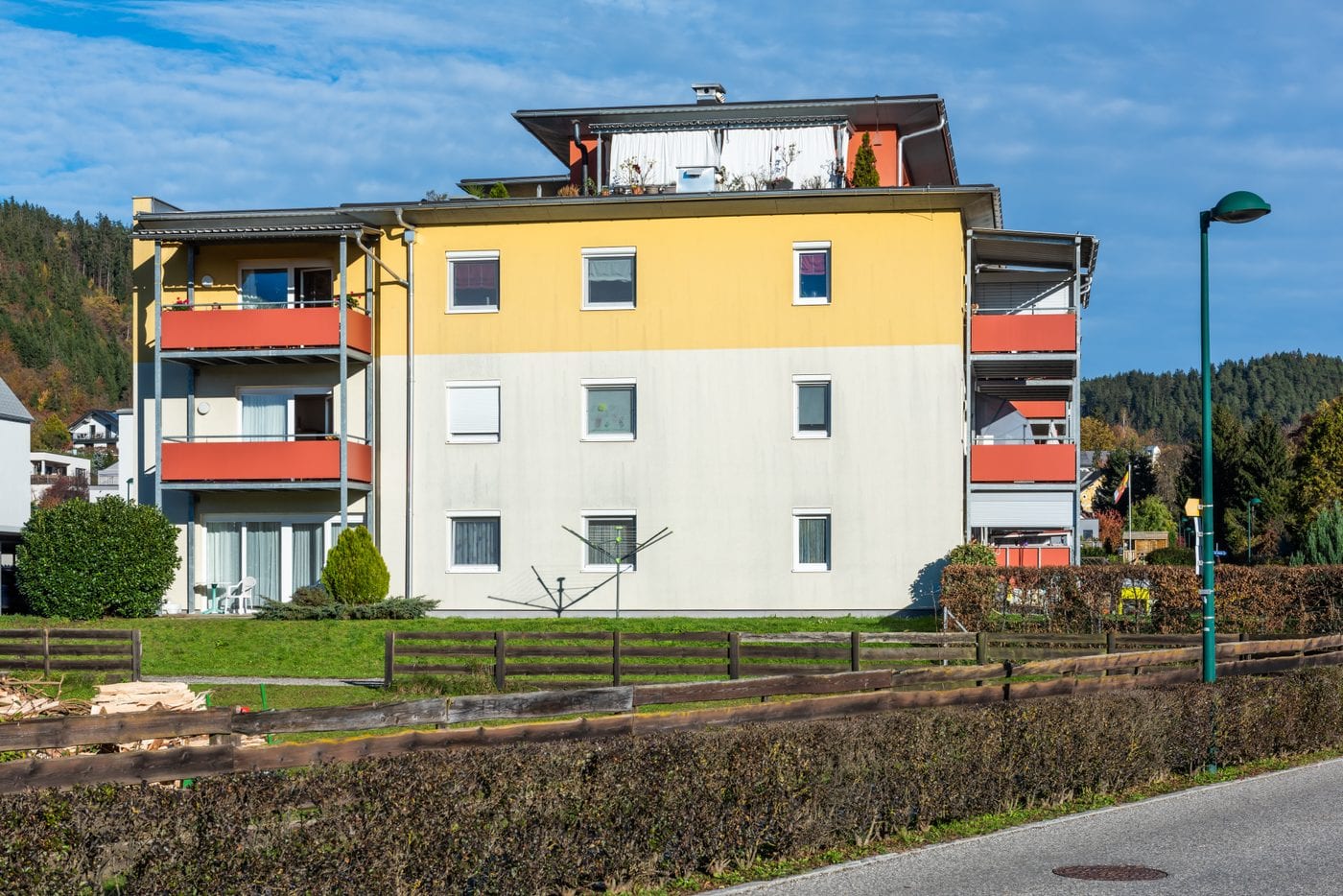
Living situation and antenna problems: Those living in rental apartments or multi-family buildings often have no way to install suitable antennas. A Remote Shack at a suitable location – such as a garden plot, a mountain cabin, or at a fellow radio amateur's place in the countryside – elegantly solves this problem.
Interference and restrictions: Electromagnetic interference (QRM) from switch-mode power supplies, LED lighting, PLC adapters, and other sources often make reception in residential areas nearly impossible. A remote location offers significantly better receiving conditions and a lower noise floor.
Travel and mobility: Even on holiday, business trips, or visiting family, many radio amateurs don't want to give up their hobby. A Remote Shack makes it possible to be QRV from anywhere in the world – a laptop or even a tablet is sufficient.
Commercial Solutions
Several manufacturers now offer integrated remote solutions. FlexRadio leads the way with SmartLink for the FLEX-6000 series (FLEX-6400, FLEX-6600, FLEX-6700), providing seamless remote access through SmartSDR without opening router ports. Icom offers RS-BA1 software for transceivers like the IC-7610 and IC-7851, supporting network-based remote control. Kenwood provides ARCP-990 for the TS-990S. The RemoteHams platform (remotehams.com) works with transceivers from various manufacturers and even allows sharing stations with other licensed operators through its community feature.
DIY Solutions
For those who prefer building their own setup, Open Source tools like Hamlib with its rigctld daemon provide CAT control over TCP/IP. Combined with a VPN tunnel (WireGuard or OpenVPN), programs like WSJT-X or FLRig can connect remotely. A Raspberry Pi makes an excellent low-power bridge running rigctld, an audio server (Mumble or PulseAudio), and optionally a webcam feed. Win4IcomSuite offers a comprehensive Windows-based solution for Icom transceivers with audio streaming and waterfall display.
Hardware Requirements
A reliable Remote Shack requires: a stable Internet connection (10+ Mbps upload recommended), an uninterruptible power supply (UPS), a network-controlled power strip (e.g., IP Power 9258) for remote rebooting of devices, an IP camera for visual monitoring, and a network-capable antenna rotator controller for directional antennas.
Network Considerations
Latency below 200 ms suffices for SSB, but CW operation requires under 100 ms, ideally under 50 ms. Digital modes like FT8 are less latency-sensitive. Bandwidth needs range from 128 kbps for audio-only to 2-10 Mbps when including waterfall data and camera feeds. Consistent latency (low jitter) and minimal packet loss (under 1%) are more important than raw speed.
Audio and Antenna Solutions
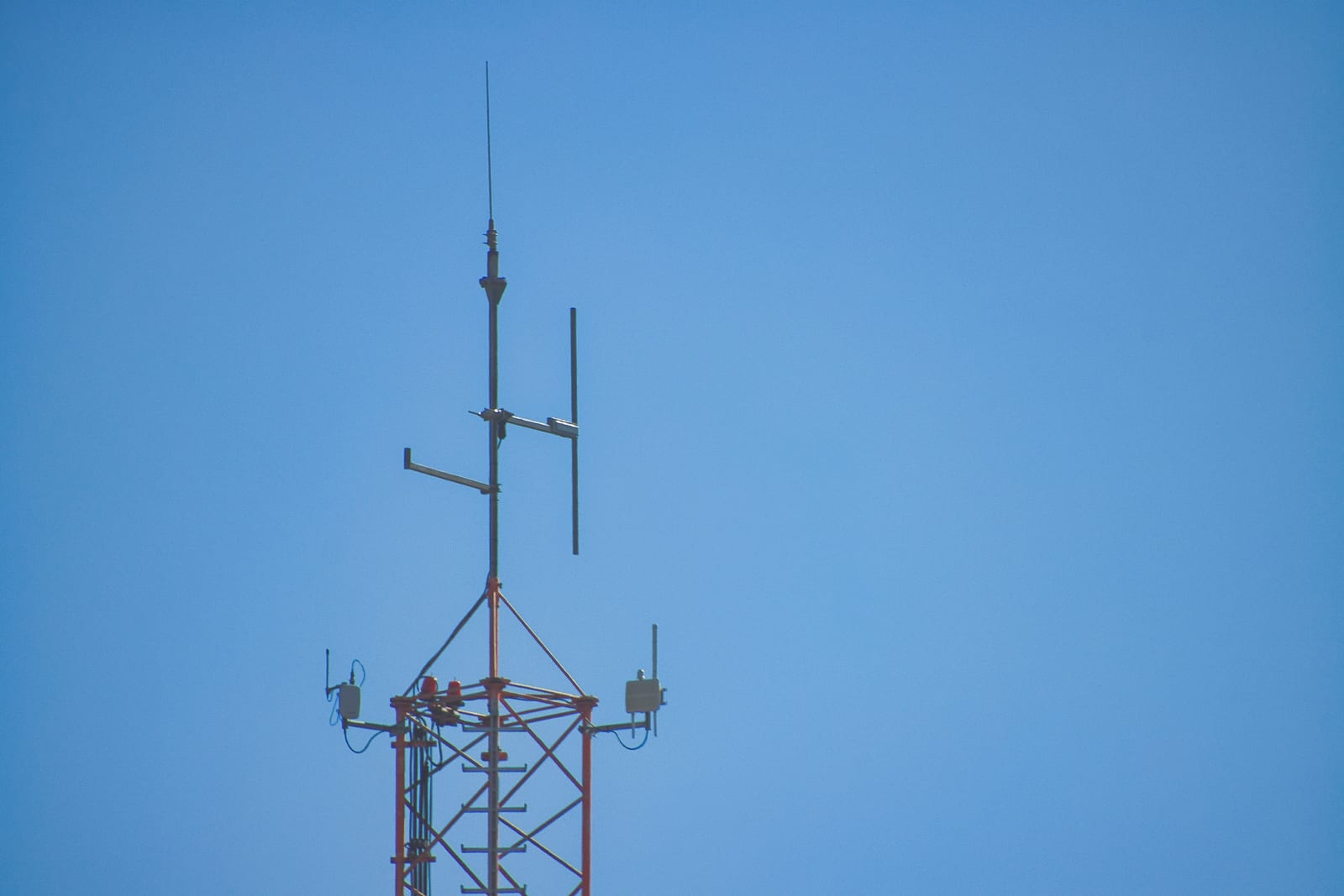
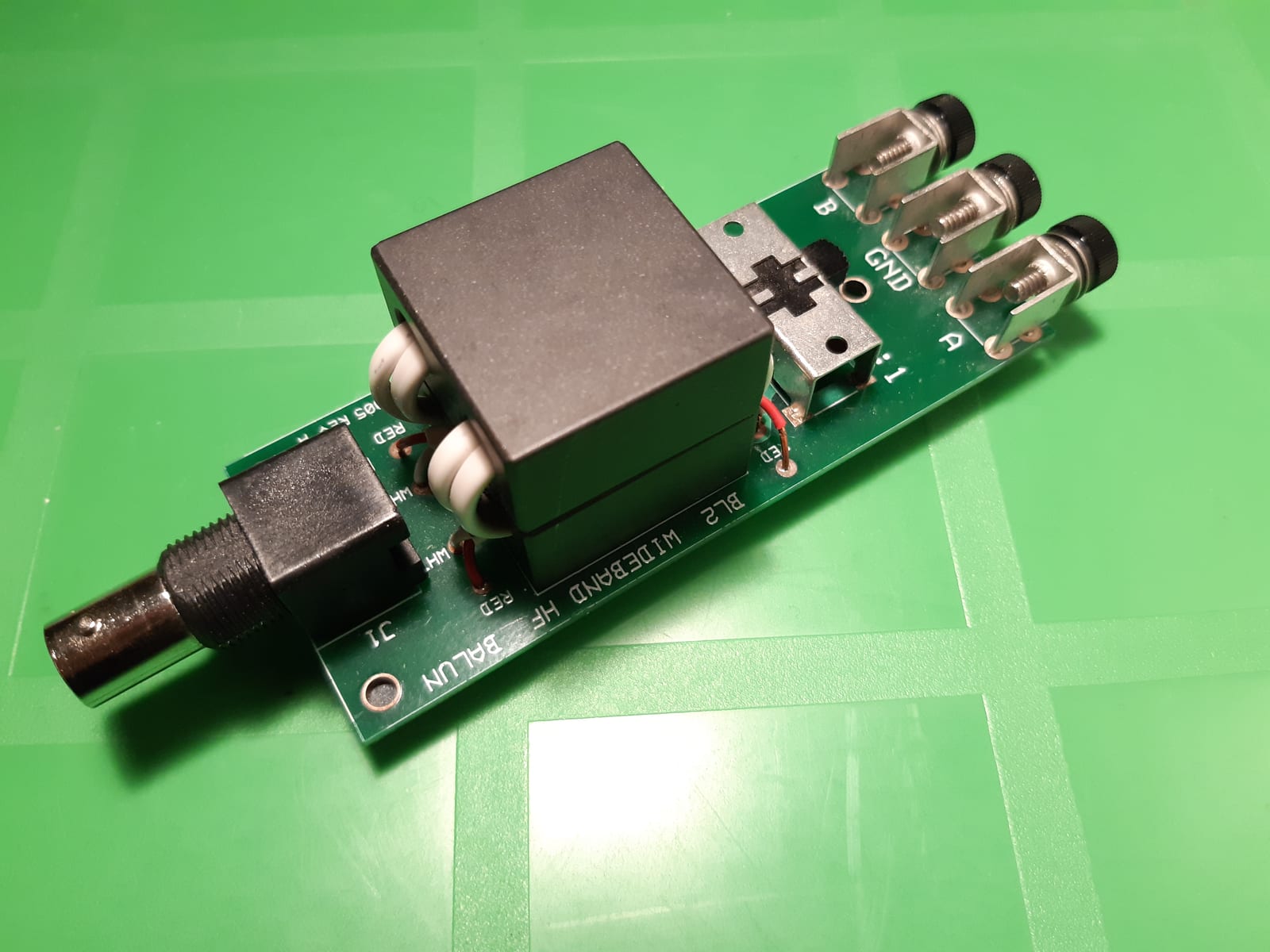
For audio, VoIP-based solutions like Mumble offer low latency, while virtual audio cables (VB-Audio Virtual Cable, VoiceMeeter) enable flexible routing between applications. For antennas, remote switches (DX Engineering RR8B-HP, Array Solutions SixPak), motorised antennas like SteppIR, and automatic antenna tuners ensure band flexibility without on-site presence.
Legal Aspects in Austria
Remote operation is permitted in Austria under amateur radio regulations. The operator must hold a valid licence. Per the Austrian Amateur Radio Ordinance (AFU-VO), the station location determines the callsign – an OE callsign is used regardless of where the operator controls from. Section 4 of the AFU-VO governs station establishment and operation, and the operator bears full responsibility for compliance with all technical regulations. The station must be capable of being shut down at any time.
Security Best Practices
All remote connections should run through encrypted VPN tunnels (WireGuard recommended for its speed and low latency). SSH tunnelling provides secure access to individual services. Never expose ports directly to the Internet. Use strong authentication with two-factor where possible, keep all software updated, and implement monitoring (e.g., Uptime Kuma) to detect outages promptly.
Conclusion
Remote operation opens entirely new possibilities in amateur radio. Whether solving antenna problems in the city, operating while on holiday, or providing barrier-free access to the hobby – the technology is mature and achievable for any dedicated radio amateur. Commercial solutions make getting started easy, while DIY approaches with Raspberry Pi and Open Source software offer maximum flexibility at minimal cost. A secure network connection via VPN and compliance with Austrian AFU-VO regulations are essential in all cases.
73 – your oeradio.at editorial team
Transparency Notice
This article was researched and written with the assistance of AI (Claude, Anthropic). All content has been reviewed by the oeradio.at editorial team. We assume no liability for the accuracy or completeness of the information provided.