Table of Contents
- What Does QRP Mean?
- History of the QRP Movement
- Popular QRP Transceivers 2025/2026
- Premium Radios
- Mid-Range
- Kits — The Charm of Homebrewing
- QRP and Digital Modes
- The Right Antenna Makes the Difference
- QRP and Portable Operation: SOTA, POTA, and More
- Power Supply in the Field
- QRP in Contests
- QRP Awards and Achievements
- Tips for Successful QRP Operation
- QRP Communities and Resources
- QRP in Action — Recommended Videos
- QRP Lifestyle (DL1DN): 25,363 km QRP DX on 20 m SSB
- (tr)uSDX: The EUR 50 QRP Transceiver Tested
- QRP Operation: What You Can Achieve with 5 Watts
- POTA with Elecraft KX2: Coffee, QRP and Nature
- Getting Started: What Do You Need?
- Transparency Notice
Five watts of transmit power — less than an LED light bulb consumes — and making contacts across thousands of kilometres? That’s the fascination of QRP, operating with reduced power. What sounds like a limitation turns out to be one of the most popular and rewarding aspects of amateur radio.
What Does QRP Mean?
The abbreviation QRP comes from the international Q code and means: “Reduce your transmit power.” In amateur radio, QRP has become established as the term for deliberate low-power operation. The generally accepted definition: a maximum of 5 watts output for CW and a maximum of 10 watts PEP for SSB. Some purists go even further — QRPp means less than 1 watt, and transatlantic contacts have been made with milliwatt transmitters.
QRP is not a regulatory limitation, but a conscious choice. Those who operate QRP want to demonstrate that their station — from the antenna through the transmitter to operating technique — works so efficiently that DX is possible even with minimal power.
History of the QRP Movement
Actually, amateur radio was QRP from the very beginning: early valve transmitters rarely delivered more than a few watts. In the 1920s, transatlantic contacts with less than 5 watts were a sensation. With commercialisation and the arms race for power amplifiers, the appeal of doing more with less was forgotten — until a counter-movement emerged in the 1960s and 70s.
In 1961, the QRP Amateur Radio Club International (QRP ARCI) was founded in the USA — still the world’s largest QRP organisation today, with its own magazine “QRP Quarterly” and the legendary “Four Days In May” (FDIM) convention at the Dayton Hamvention. In Britain, the G-QRP Club followed in 1974, founded by Rev. George Dobbs G3RJV. With around 4,000 members and the magazine “SPRAT”, it remains an institution. For German-speaking operators, the DL-QRP-AG and QRPforum.de are particularly important — an active German-speaking community specialising in homebrew, kits, and QRP operating techniques.
Popular QRP Transceivers 2025/2026
The QRP market offers something for every budget and operating mode. From ready-made transceivers to affordable kits:
Premium Radios
- Elecraft KX2 (~EUR 900): 80–10 m, 10 W, SSB/CW/Digital, built-in ATU, legendary receiver quality, fits in a jacket pocket — the dream for any SOTA activation
- Elecraft KX3 (~EUR 1,200): 160–6 m, 10 W, all modes, modular design, best-in-class QRP transceiver
- Icom IC-705 (~EUR 1,240): HF + 6 m + 2 m + 70 cm, 10 W, touchscreen, GPS, WiFi, Bluetooth — the Swiss army knife of QRP
- Lab599 TX-500 (~EUR 900): 160–6 m, 10 W, ultra-compact, rugged, military-style design — ideal for outdoor operation
- Yaesu FT-818ND (~EUR 630): HF + 6 m + 2 m + 70 cm, 6 W, all-mode, only 900 g — successor to the legendary FT-817, the classic QRP portable radio for over 20 years. Often available used at good prices.
Mid-Range
- Xiegu X6200 (~EUR 880): HF + 6 m, 5–8 W, RF direct sampling SDR, built-in ATU, 4-inch colour display with waterfall, replaceable battery — the most modern SDR QRP transceiver on the market
- Xiegu X6100 (~EUR 600): HF + 6 m, 5 W, SDR architecture, built-in battery and ATU, large display — a compact all-rounder
- Xiegu G90 (~EUR 450): HF, 20 W (reducible to 5 W), detachable front, built-in ATU — also usable as QRP
Kits — The Charm of Homebrewing
- QRP Labs QCX-mini (~USD 58 / ~EUR 55): Single-band CW transceiver, 5 W, fantastic value for money
- QRP Labs QDX (~USD 69 / ~EUR 65): Digital-only transceiver (FT8, FT4, JS8Call, WSPR), 5 W, 80–10 m — no SSB, no CW, digital modes only. Built-in USB sound card, simply connect to a laptop via USB and go. The cheapest entry ticket to digital shortwave
- QRP Labs QMX+ (~USD 125 / ~EUR 120): 160–6 m, CW + Digital, 5 W, the most versatile QRP Labs kit
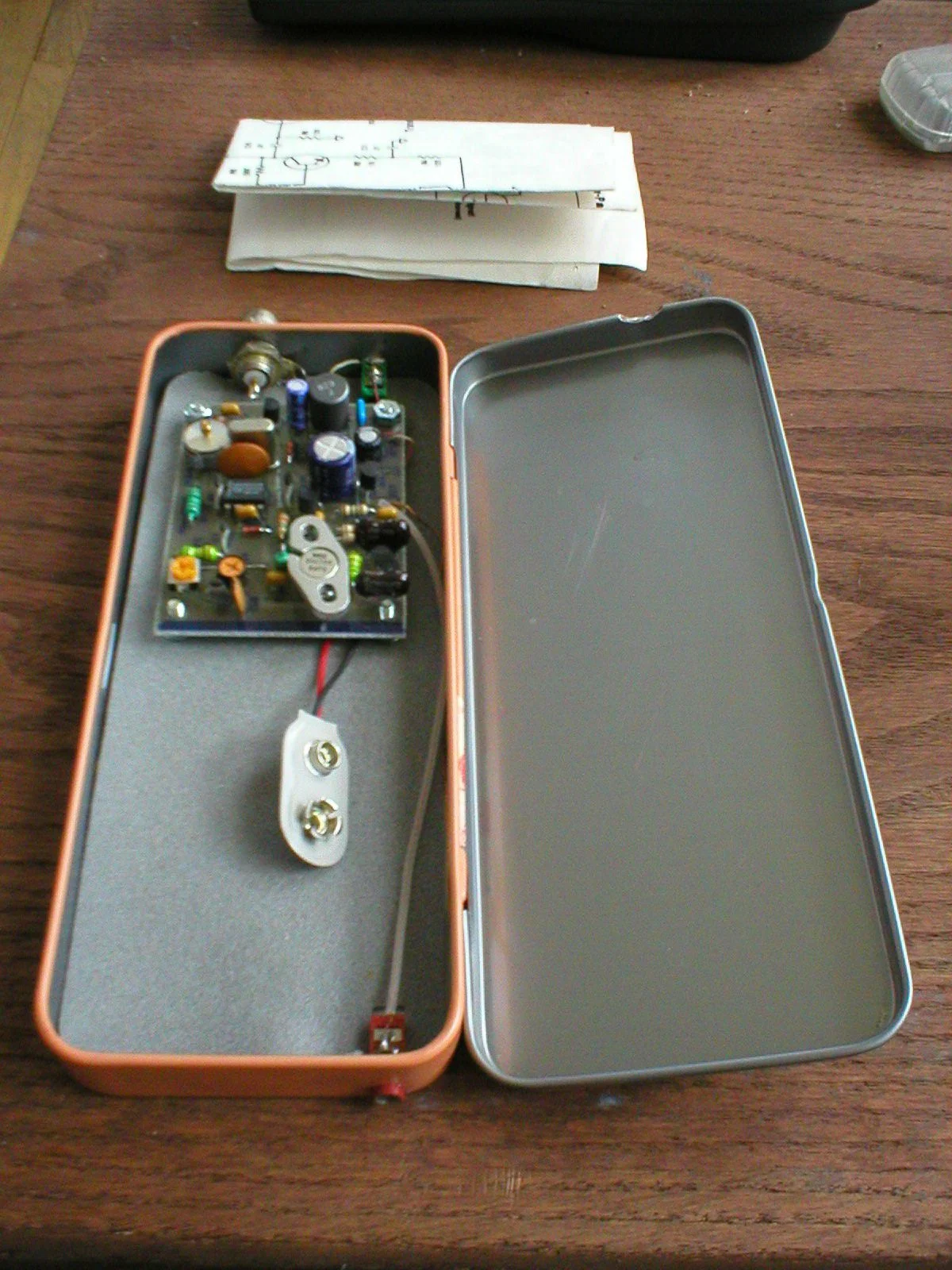
- (tr)uSDX (~EUR 100–150): Open-source SDR transceiver, SSB/CW/Digital/AM/FM, multiple bands — a tinkerer’s project with incredible value
QRP and Digital Modes
Digital modes have revolutionised QRP. Where CW (Morse telegraphy) was once the only realistic option for low-power DX, today weak signals below the hearing threshold make contacts possible:
- FT8 decodes signals down to –24 dB below the noise floor. With 5 watts, worldwide contacts are the rule, not the exception. In the current Solar Cycle 25, intercontinental QSOs with FT8 and QRP are routine.
- JS8Call extends the concept with keyboard-to-keyboard messaging — usable across thousands of kilometres even with QRP.
- WSPR uses even less power (typically 200 mW to 1 W) and maps propagation conditions worldwide — the ultimate QRPp tool.
A QRP Labs QDX kit for EUR 65, a simple antenna, and a laptop — and your signal appears on monitors around the globe.
The Right Antenna Makes the Difference
At QRP power levels, every decibel counts. While a 100-watt signal can tolerate losses in the antenna and feedline, an inefficient antenna at 5 watts can mean the difference between “heard” and “not heard”. These antennas are particularly suited for QRP:
- End-Fed Half-Wave (EFHW): Resonant, efficient, needs only one support point — the most popular QRP portable antenna
- Linked Dipole: Tuned half-wave dipole with crocodile clips for band switching — lightweight, cheap, efficient
- Magnetic Loop: Ideal for balconies or restricted space, low near-field losses — but single-band without retuning
- Portable antennas like the SOTAbeams Band Hopper or Lightweight Linked Dipole are specifically optimised for QRP portable operation
Golden rule: With QRP, invest in a good antenna rather than more power.
QRP and Portable Operation: SOTA, POTA, and More
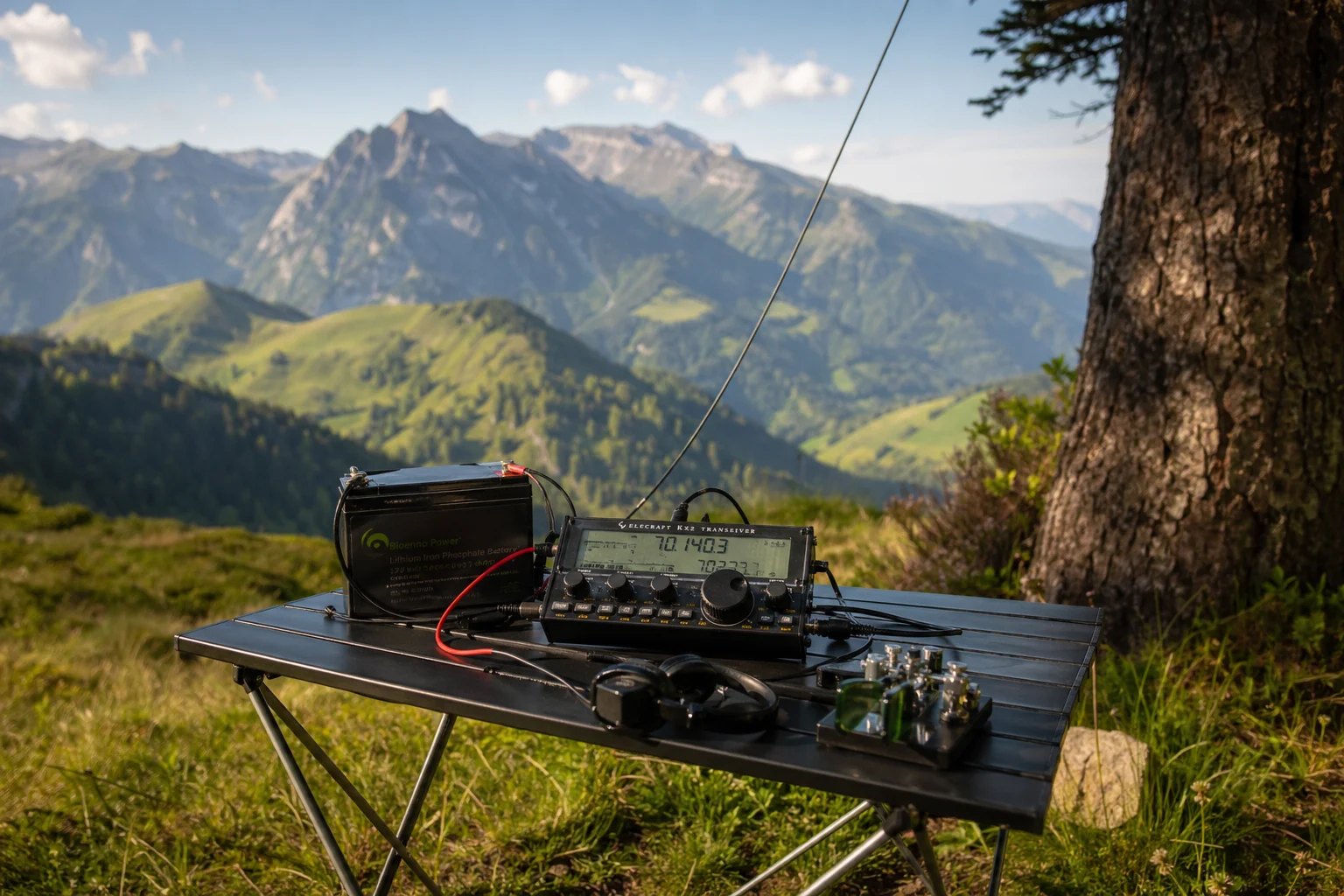
QRP and outdoor operation go together like Morse code and a paddle. SOTA (Summits On The Air) and POTA (Parks On The Air) are tailor-made for QRP: lightweight equipment, battery power, quick setup. A typical QRP portable setup weighs under 3 kg:
- Elecraft KX2 or Lab599 TX-500 (approx. 500 g)
- EFHW antenna with 10 m throw line and wire (approx. 200 g)
- LiFePO4 battery 3 Ah (approx. 300 g)
- CW paddle or headphones, logbook
A successful SOTA activation needs just four QSOs — with QRP and CW or FT8, achievable in minutes. Many of the world’s most active SOTA operators work exclusively QRP.
Power Supply in the Field
A QRP transceiver saves not only weight but also energy. At 5 watts RF output, current draw is typically 1.5–2.5 A during transmission, opening up flexible power sources:
- LiFePO4 batteries: 12.8 V nominal, lightweight, long-lasting (2,000+ cycles), safe. A 3 Ah battery provides several hours of operation.
- USB-C PD power banks: Newer QRP transceivers like the IC-705 can run directly from USB-C Power Delivery — a 20,000 mAh power bank provides enough juice for a full day.
- Solar panels: Foldable 30–50 W panels recharge batteries in the field. Ideal for multi-day Field Days or camping operation.
Find more tips on solar power supply in our article about blackout preparedness and self-sufficient radio operation.
QRP in Contests
Many major contests offer dedicated QRP categories — CQWW, ARRL DX, CQ WPX, and many more. Power is limited to 5 watts, and results are scored separately. The appeal: you compete against equally powered stations, and every QSO feels like an achievement.
Additionally, QRP ARCI organises twelve dedicated contests per year, including the popular “Spring QSO Party” and “Holiday Spirits QSO Party”. In Europe, the DL-QRP-AG runs the “QRP Activity Day” — ideal for beginners to gain their first contest experience with low power.
QRP Awards and Achievements
Those who work the world with QRP can document their achievements. Special QRP versions of well-known awards exist:
- QRP DXCC: 100 DXCC entities confirmed, all with maximum 5 watts — the ultimate challenge
- 1000 Miles Per Watt: A single contact exceeding 1,000 miles per watt used — at 1 watt that’s 1,000 miles, at 100 mW already 100 km
- QRP WAZ: All 40 CQ zones confirmed with QRP
- QRP WAS: All 50 US states worked with QRP
Tips for Successful QRP Operation
- Antenna is priority: An Elecraft KX2 with a wire at 15 m height beats a 100-watt radio on a compromise antenna.
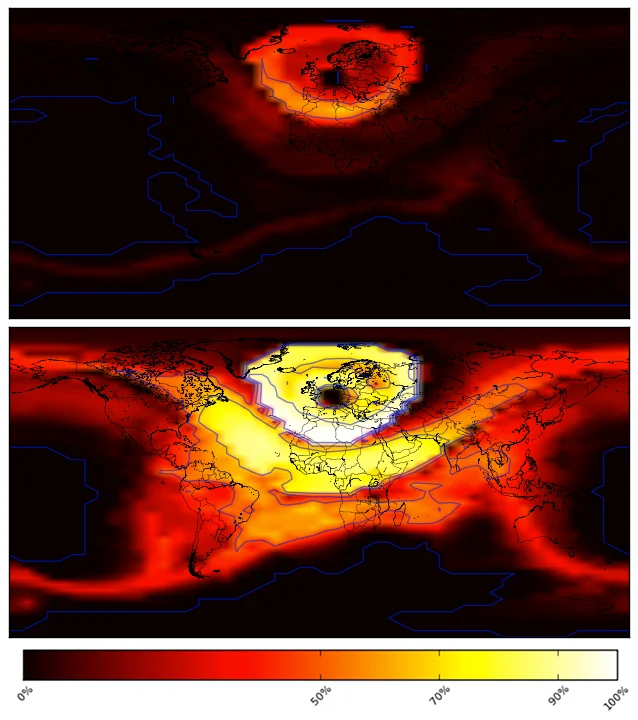
- Timing is everything: During favourable propagation conditions and grey-line times, even 5 watts reach the other end.
- Prefer CW and FT8: Narrow-bandwidth modes gain up to 20 dB over SSB at QRP — the difference between 5 watts and 5,000 watts!
- Bring patience: QRP operating sometimes takes multiple attempts. Breaking through pile-ups with 5 watts is an art.
- Indicate QRP in your exchange: Many operators prefer QRP stations and give them priority.
- Choose the right band: On the 10-metre band, 5 watts easily suffice for DX when conditions are open. 20 m is the workhorse for QRP DX.
QRP Communities and Resources
- QRP ARCI (qrparci.org): World’s largest QRP club, magazine “QRP Quarterly”, 12 contests per year
- G-QRP Club (gqrp.com): Since 1974, magazine “SPRAT”, British QRP institution
- DL-QRP-AG: German-speaking working group for QRP and homebrewing
- QRPforum.de: Active German-language forum with build reports and field reports
- QRPer.com: Blog with reviews, field reports, and QRP tips
QRP in Action — Recommended Videos
The fascination of QRP is best experienced on video. Here’s a selection of great content:
QRP Lifestyle (DL1DN): 25,363 km QRP DX on 20 m SSB
David (DL1DN) documents on his YouTube channel “QRP Lifestyle” what’s possible with minimal power and homebrew antennas. In this video he achieves a QRP DX record: an SSB contact over 25,363 km from Germany to Australia (VK5MAZ) — with a modified (tr)uSDX and a 1.4-metre telescopic antenna:
(tr)uSDX: The EUR 50 QRP Transceiver Tested
Also from DL1DN: a detailed review of the (tr)uSDX — an open-source SDR transceiver available as a kit for around EUR 50, delivering 5 watts on multiple HF bands. Unboxing, assembly and first contacts:
QRP Operation: What You Can Achieve with 5 Watts
A German-language video that vividly demonstrates what ranges are realistically achievable with just 5 watts of transmit power — with practical examples and experience reports:
POTA with Elecraft KX2: Coffee, QRP and Nature
Thomas (K4SWL) shows on QRPer.com and YouTube how relaxed QRP portable operation can be — with the Elecraft KX2, the AX1 compact antenna and a cup of coffee in the park:
More recommended QRP YouTube channels: QRP Lifestyle (DL1DN), G-QRP Club and Ham Radio QRP (K0KLB).
Getting Started: What Do You Need?
Getting into QRP requires surprisingly little. A QRP Labs QDX kit for around EUR 65, a laptop with WSJT-X, an audio cable, and a homebuilt EFHW antenna — and the first FT8 contacts are in the log. Those who prefer CW can grab a QCX-mini for EUR 55 and a Morse key. Total: under EUR 100 for a complete QRP transceiver.
QRP is the essence of amateur radio: achieving maximum impact with minimal effort. It sharpens your understanding of propagation, antenna physics, and efficient operating technique — and every QSO with 5 watts across 5,000 kilometres brings a smile that no kilowatt station can beat.
73 – your oeradio.at editorial team
Transparency Notice
This article was researched and written with the assistance of AI (Claude, Anthropic). The editorial team has reviewed and edited all content. Despite careful review, occasional inaccuracies may occur — we welcome corrections via email to [email protected].