Table of Contents
- What Is POTA?
- POTA in Austria
- How a POTA Activation Works
- Preparation
- On Site
- After the Activation
- Equipment for POTA
- Operating Modes for POTA
- POTA vs. SOTA vs. WWFF
- Tips for Successful POTA Activations
- Planning Your First POTA Activation
- More on oeradio.at
- Videos: POTA in Action
- POTA by the Numbers (2026)
- Sources
- Image Credits
- Transparency Notice
A sunny afternoon in a national park, the antenna strung between two trees, the transceiver on the picnic table — and radio amateurs from around the world are calling you. That’s Parks On The Air (POTA): an international programme that combines amateur radio with the great outdoors. Since its start in North America, POTA has rapidly gained popularity in Europe and particularly in Austria.
What Is POTA?
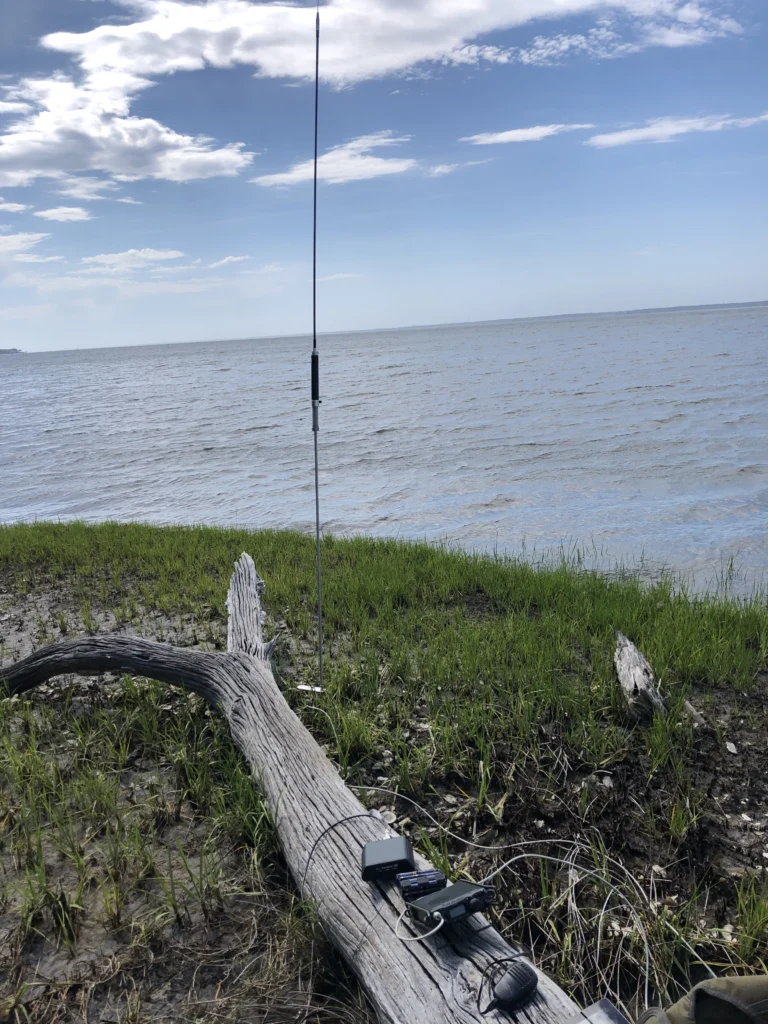
Parks On The Air is a worldwide activity programme where radio amateurs operate from protected natural areas — national parks, nature reserves, landscape conservation areas, and wilderness areas. The concept is simple:
- Activators visit a registered park and make at least 10 QSOs
- Hunters work the activators from home or on the go
- Both collect points and can earn awards
Unlike SOTA, where you need to climb to mountain summits, POTA references are often easily accessible — sometimes a short walk from the car park. This makes POTA particularly beginner-friendly and suitable for all ages and fitness levels.
POTA in Austria
Austria, with its national parks, nature parks, and protected areas, offers an abundance of POTA references. The Austrian POTA programme is coordinated by OE1IAH, who drives the registration of new parks and serves as the community’s point of contact.
Registered POTA parks in Austria include:
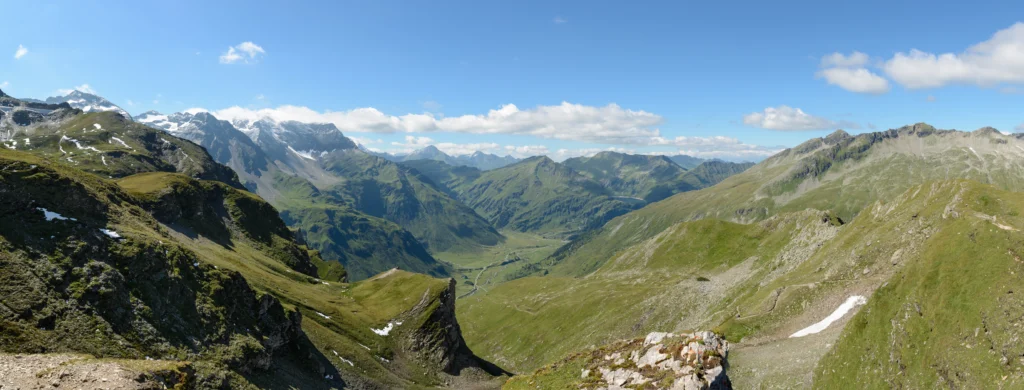
- Hohe Tauern National Park (AT-0039): Austria’s largest national park — a DX magnet for activators
- Neusiedler See – Seewinkel National Park (AT-0040): Flat, easily accessible, ideal for beginners
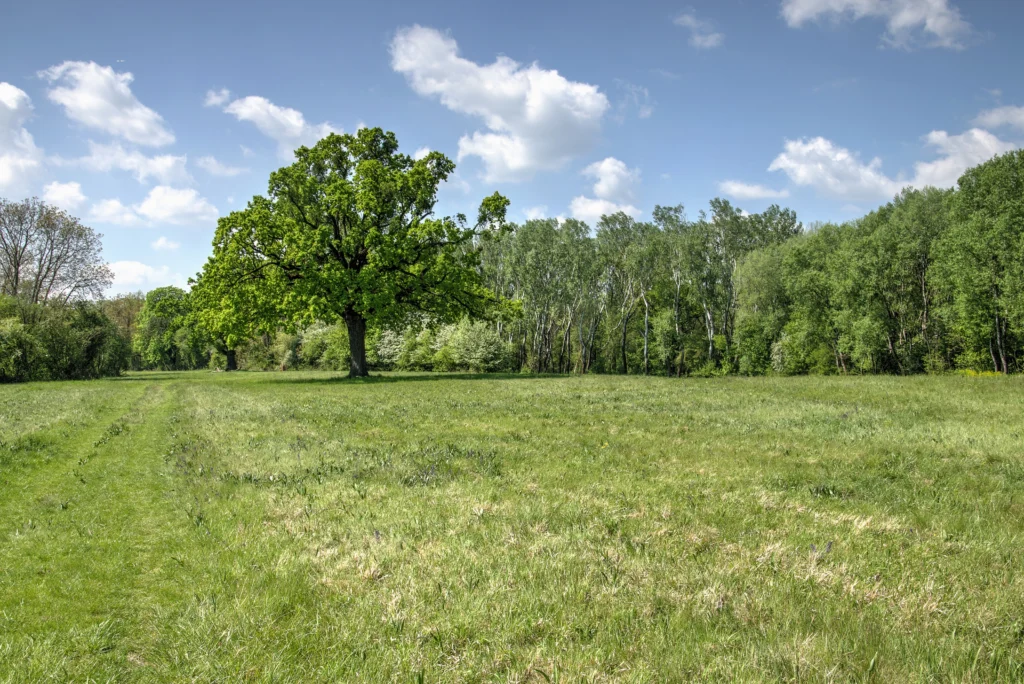
- Donau-Auen National Park (AT-0041): Just outside Vienna — perfect for a spontaneous afternoon
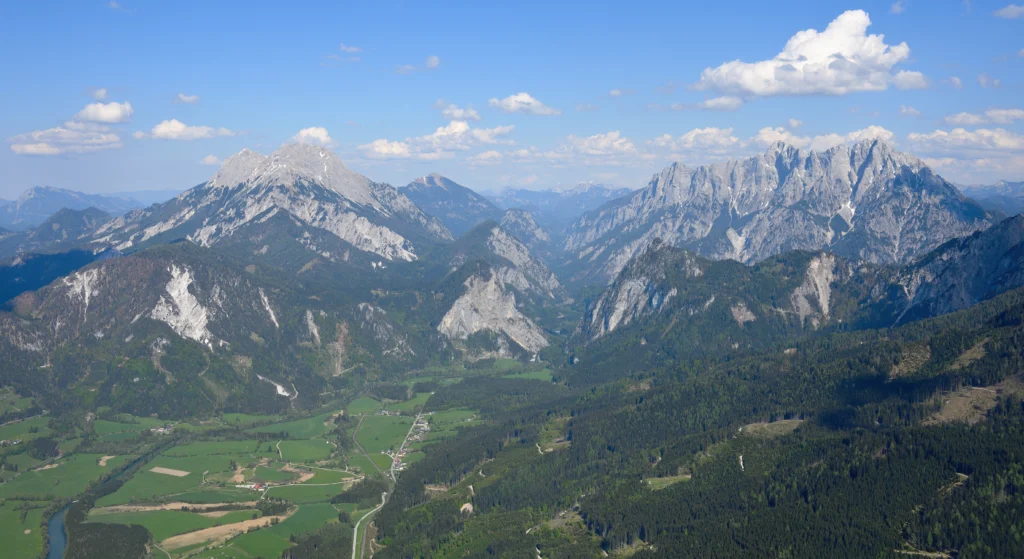
- Gesäuse National Park (AT-0044): Wild gorges and spectacular scenery
- Kalkalpen National Park (AT-0042): One of the largest contiguous forest areas
- Thayatal National Park (AT-0043): On the Czech border, quiet and natural
- Numerous additional nature parks and landscape conservation areas across all provinces
Those familiar with WWFF (World Wide Flora & Fauna) areas will find many overlaps — some areas are registered as both POTA and WWFF, and a single activation can count for both programmes.
How a POTA Activation Works
Preparation
- Create an account at pota.app — free, just callsign and email
- Choose a park: Find a park near you on the POTA map and note the reference number
- Plan your activation: Optionally register it as a “Scheduled Activation” — hunters can then see when and where you’ll be active
- Check permissions: Some protected areas have restrictions — check with the park administration beforehand
On Site
- Choose your spot: A location with trees for the antenna, without disturbing other visitors
- Set up your antenna: EFHW between trees or a portable antenna with telescopic mast
- Spot yourself: Report your frequency via the POTA app or pota.app
- Call CQ POTA: “CQ CQ CQ Parks On The Air, [callsign], [park reference]”
- Log 10 QSOs: The minimum for a valid activation
After the Activation
Upload your log in ADIF format to pota.app — that’s it. Hunters receive their credits automatically.
Equipment for POTA
POTA works with any amateur radio equipment, but portable gear makes it truly enjoyable. A typical POTA setup:
- Transceiver: Icom IC-705, Elecraft KX2, Xiegu X6100, or any HF radio (even 100 W with a car battery)
- Antenna: EFHW (lightweight, quick to set up), linked dipole, vertical with radials
- Power supply: LiFePO4 battery (3–6 Ah lasts an afternoon), alternatively car battery for higher power
- Accessories: Foldable table/chair, headphones, logbook or tablet with logging app
More on portable antennas for outdoor activities in our antenna comparison for SOTA and POTA.
Operating Modes for POTA
- SSB: The classic, particularly popular on 40 m and 20 m. Social aspect: you can chat with hunters
- CW: Efficient, needs less power, QSOs are faster — ideal for QRP activations
- FT8: When bands are poor or you need more range as a QRP station. But: needs a laptop, slower, less “outdoor feeling”
- VHF/UHF: For beginners with a handheld — use FM repeaters in range, these count too
POTA vs. SOTA vs. WWFF
- SOTA: Summit-based, requires climbing to the peak, 4 QSOs minimum — more athletic, more demanding
- POTA: Park-based, often easily reachable, 10 QSOs minimum — more family-friendly, more relaxed
- WWFF: Nature conservation-based, similar to POTA but with European focus, 44 QSOs for a valid activation
Many activators combine programmes: an activation in Gesäuse National Park can count as POTA and WWFF simultaneously (and as SOTA too if you’re on a summit). Three birds with one stone!
Tips for Successful POTA Activations
- Spot yourself: Without a spot on pota.app, hunters don’t know you’re active. A spot brings callers within minutes.
- Choose the right band: 40 m for Europe during the day, 20 m for intercontinental DX, 80 m in the evening
- Be patient at the start: The first 2–3 minutes after spotting are often quiet, then callers arrive
- Activate on weekdays: Weekend competition among activators is higher — you’ll get more attention mid-week
- Park-to-Park (P2P): When two activators operate from different parks simultaneously, the contact counts as a special P2P — highly sought after!
- Nature first: Leave no trace, respect flora and fauna, follow park regulations
Planning Your First POTA Activation
Getting started couldn’t be simpler: create an account on pota.app, find a park nearby on the map, note the reference number, drive there with your radio on the weekend, and off you go. Ten QSOs are easily achievable in 30–60 minutes with a spot on the POTA website. The beauty of POTA: it combines the best of amateur radio and nature — and after the activation, that picnic in the countryside tastes twice as good.
More on oeradio.at
POTA is just one of many outdoor programs. The xOTA Map shows 34 outdoor programs on one interactive map — including spots and field logging.
- How POTA fever caught us — a personal account of our first activations
- POTA Austria — Your Line to the OE POTA Team
- POTA Activations Schütt and Dobratsch — two Carinthian parks in one day
- POTA Görtschacher Moos — park activation in the Obermoos
- SOTA Activation Danielsberg — SOTA and POTA combine well
- CQ SOTA — Cold fingers and a barking co-operator
- Field Day: Amateur Radio Under the Open Sky
Videos: POTA in Action
Activating SOTA and POTA simultaneously? This video shows how — in Berchtesgaden National Park:
Your first POTA activation step by step — from registration to the last QSO:
A POTA kit this compact — everything in one bag:
A complete POTA activation in real time — uncut from setup to teardown:
POTA by the Numbers (2026)
- 85,000+ registered parks in 236 DXCC entities worldwide
- 84,000+ registered participants, 29,000+ active activators
- 53 million+ QSOs logged total
- 15.2 million QSOs in 2025 alone
- 36% growth in submitted logs from 2023 to 2024
73 — your oeradio.at editorial team
Sources
Image Credits
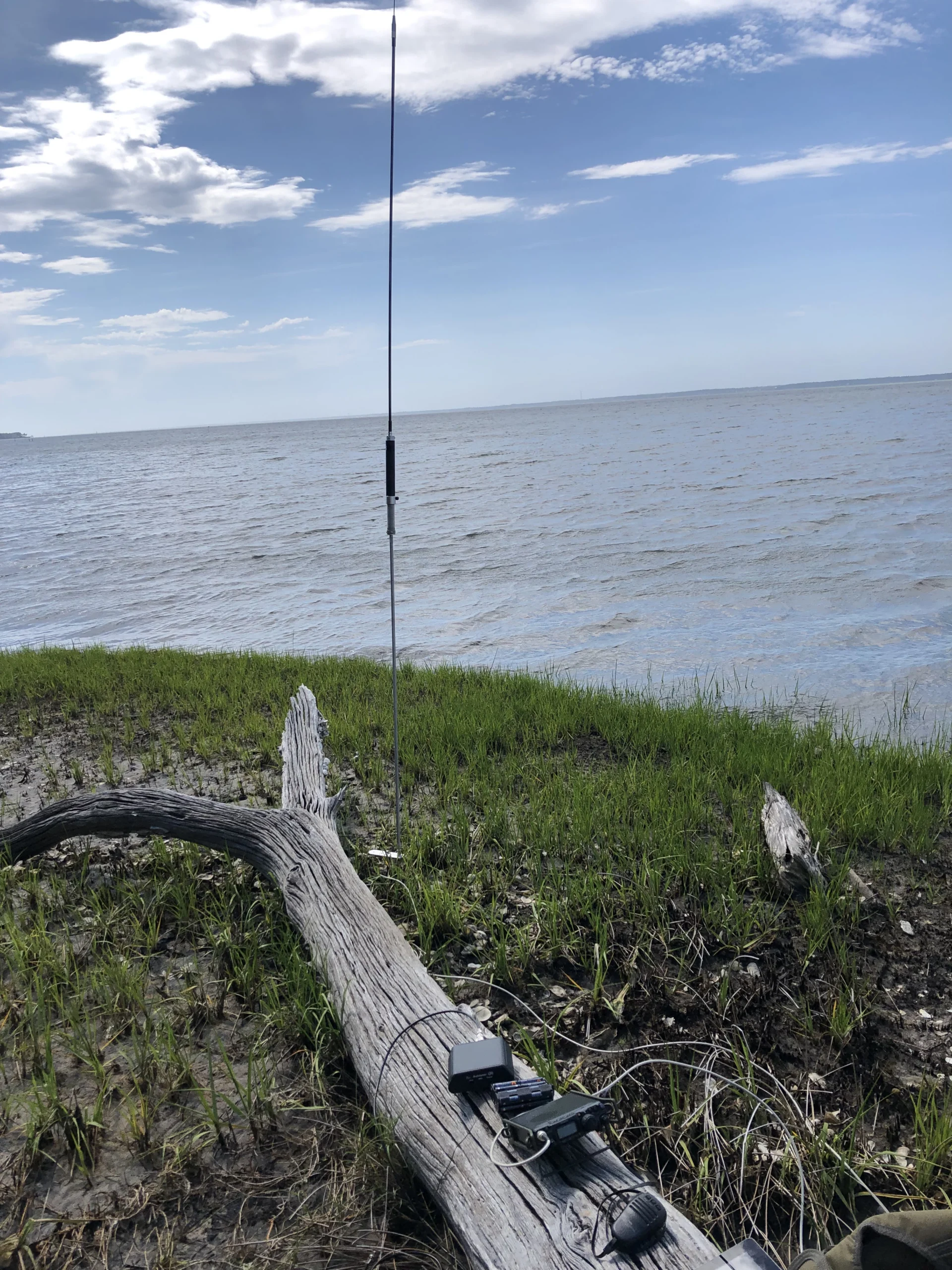
- POTA Activation: Jeepinjeepin, CC BY-SA 4.0, via Wikimedia Commons
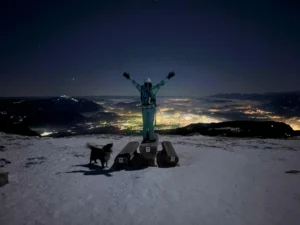
- Nationalpark Gesäuse: Carsten Steger, CC BY-SA 4.0, via Wikimedia Commons
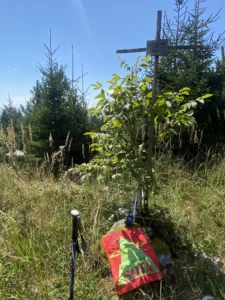
- Nationalpark Hohe Tauern: Uoaei1, CC BY-SA 4.0, via Wikimedia Commons
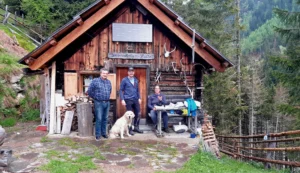
- Nationalpark Donau-Auen: Doronenko, CC BY-SA 4.0, via Wikimedia Commons
Transparency Notice
This article was researched and written with the assistance of AI (Claude, Anthropic). Any illustrations used were generated with AI (ChatGPT/DALL·E, OpenAI) unless otherwise noted. The editorial team has reviewed and edited all content. Despite careful review, occasional inaccuracies may occur — we welcome corrections via email to [email protected].