DMR, D-STAR and C4FM are well established — but they share one feature that irritates many hams: their voice codec (AMBE) is proprietary and sits as a licensed chip inside every device. M17 takes a different path. It is a fully open-source digital voice mode from the ground up — free codec, free software, open specification. And it is already active in Austria.
What makes M17 special
M17 has been developed since 2019 by an international community around Wojciech Kaczmarski (SP5WWP). Technically it transmits voice and data using 4-FSK; voice is encoded with the open Codec2, familiar from FreeDV. Audio quality is at least on a par with the AMBE codecs used by other modes — but without licence fees and without a closed black box. Every transmitted packet carries the callsign directly; a separate ID registration as required by DMR is not needed.
Why it matters
Open means: transparent, extensible, independent of a single manufacturer. Anyone who wants to can inspect, modify and improve the codec, the firmware and the reflector software. That makes M17 the most exciting playground in digital voice — and a genuine amateur radio project in the true sense of the word.
M17 in Austria: the OE reflector
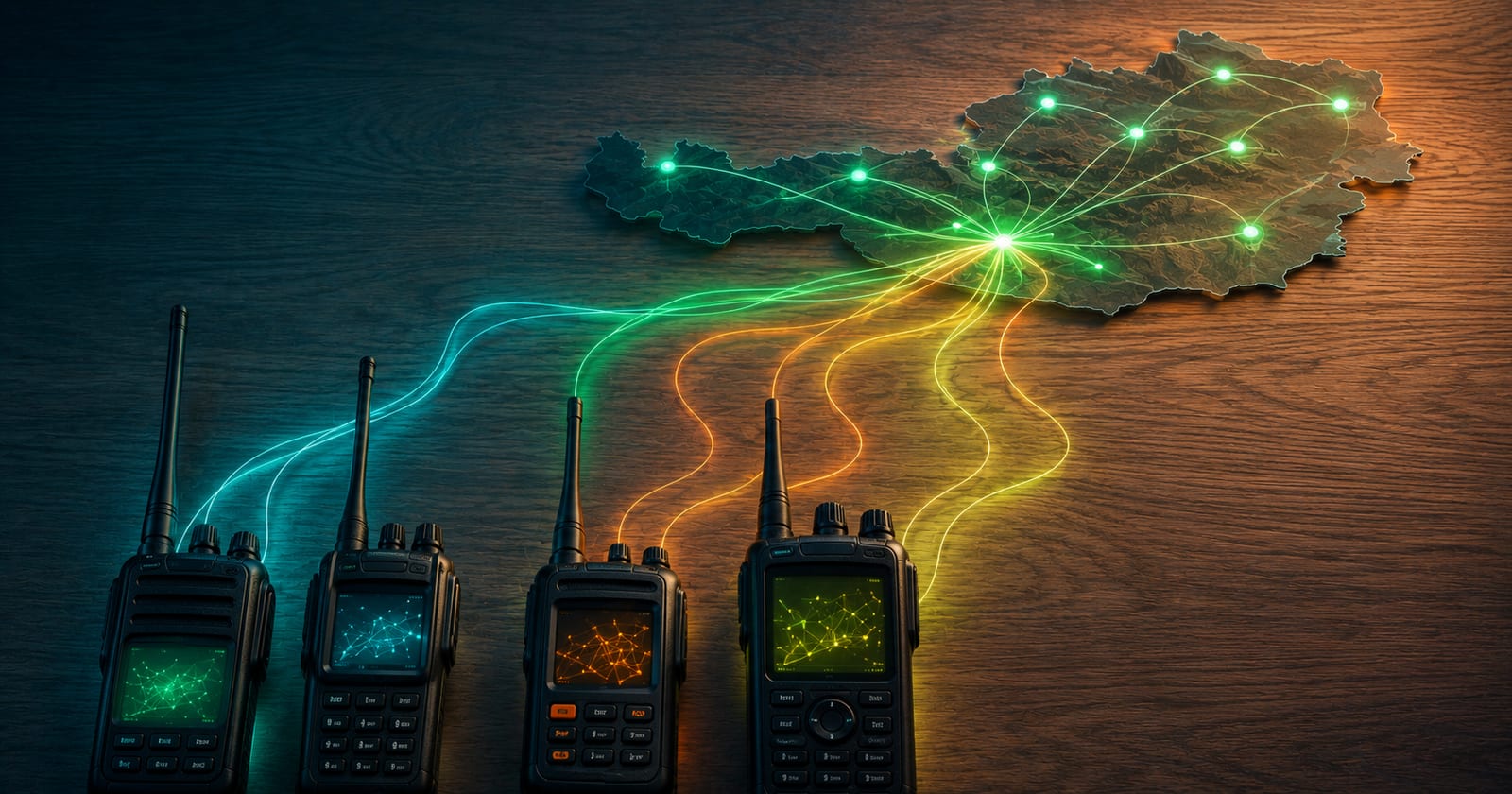
Austria was involved from the start: an Austrian M17 reflector is active. As is customary with M17, it is divided into modules (letters) — Module B serves domestic OE traffic, Module A handles international contacts. Worldwide there are now more than 130 M17 reflectors; with M17Web you can even listen to traffic directly in your browser.
How to get QRV
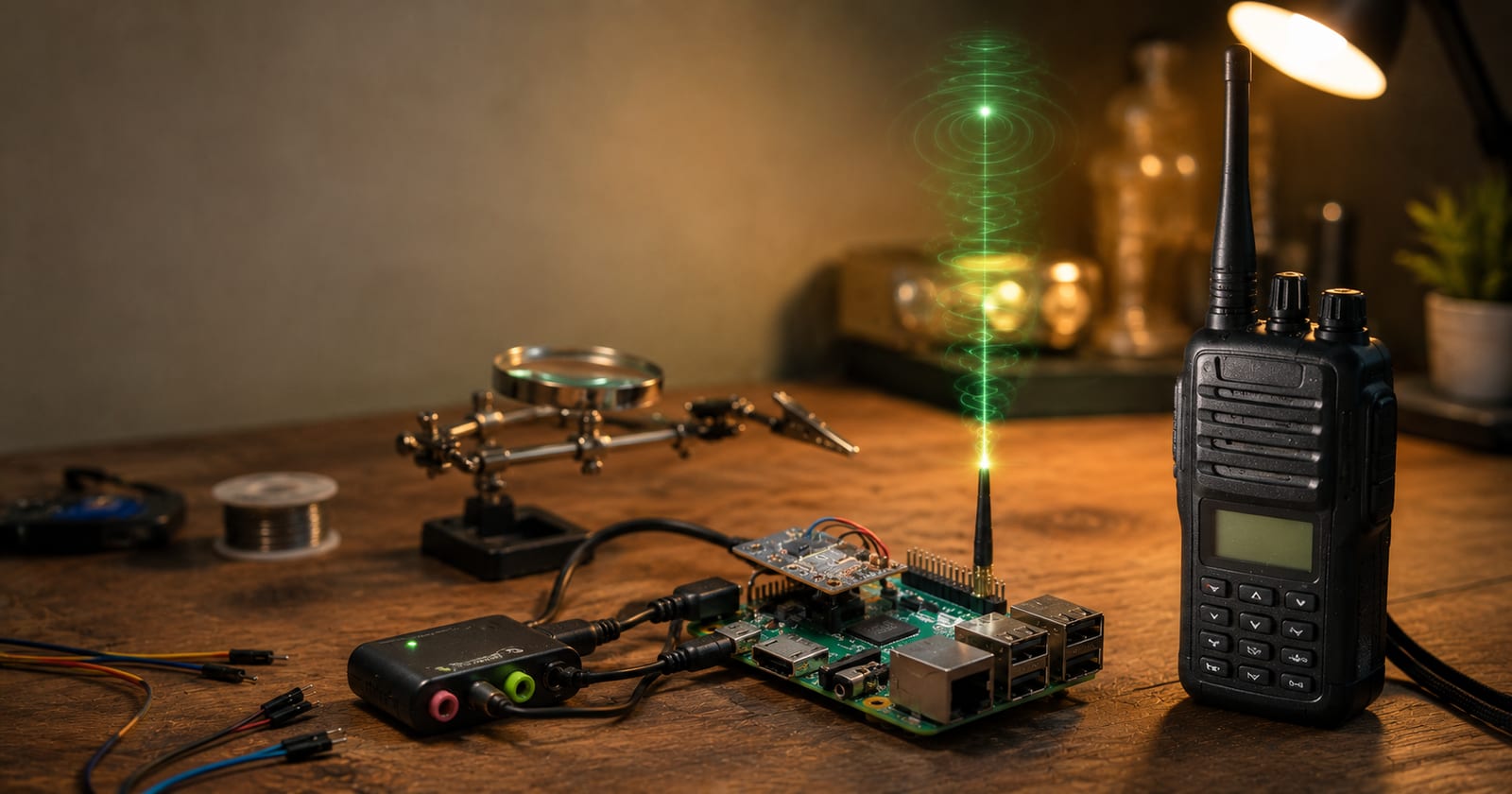
- Hotspot: Via an MMDVM hotspot running the WPSD-M17 software. Background: the classic MMDVM firmware dropped M17 support in July 2025 — the WPSD-M17 community fork brings it back to existing hotspots.
- Dedicated hardware: the open Module17 board, which turns an FM radio into an M17 transceiver.
- Free firmware: compatible handheld radios can be reflashed with the open-source OpenRTX firmware for M17 operation.
As always: a valid amateur radio licence is required, a suitable frequency per the ÖVSV band plan, and sensible power levels.
Putting it in context
M17 is still young — fewer devices and smaller nets than DMR or C4FM. In return you get the only completely open mode, active OE participation and a project with a future. How M17 stacks up against the established systems is covered in our comparison D-STAR vs. DMR vs. C4FM vs. M17; the full overview is provided by the digital voice overview. And if you want to set up a hotspot, you will find the way in the article Setting up a Pi-Star/MMDVM hotspot.
Transparency Notice
This article was researched and written with the support of AI (Claude, Anthropic) on the basis of public sources — in particular the M17 Project website, the ÖVSV wiki and public reflector information. All content has been editorially reviewed. Questions or corrections? Write to us at [email protected].