TETRA is best known from public safety communications — it is the digital trunked radio standard used by fire services, ambulance, and police. For some time now this professional technology has been making inroads into amateur radio, with Austria running its own small network. This article explains what makes TETRA tick, why it differs from DMR or C4FM, and how to get started in Austria.
What TETRA Is
TETRA stands for Terrestrial Trunked Radio and is an ETSI standard for digital trunked radio developed in the 1990s. "Trunked radio" means that a pool of channels is dynamically and automatically assigned to conversations, instead of each user being fixed to a single frequency. Technically, TETRA uses time-division multiplex with four time slots per carrier. Two features set it apart from other amateur digital modes:
- Full duplex — transmit and receive simultaneously, like a telephone call, rather than the usual push-to-talk half duplex.
- Trunked and Direct Mode — operation via infrastructure (TMO) or directly device-to-device without a network (DMO).
The Hurdle: the Hardware
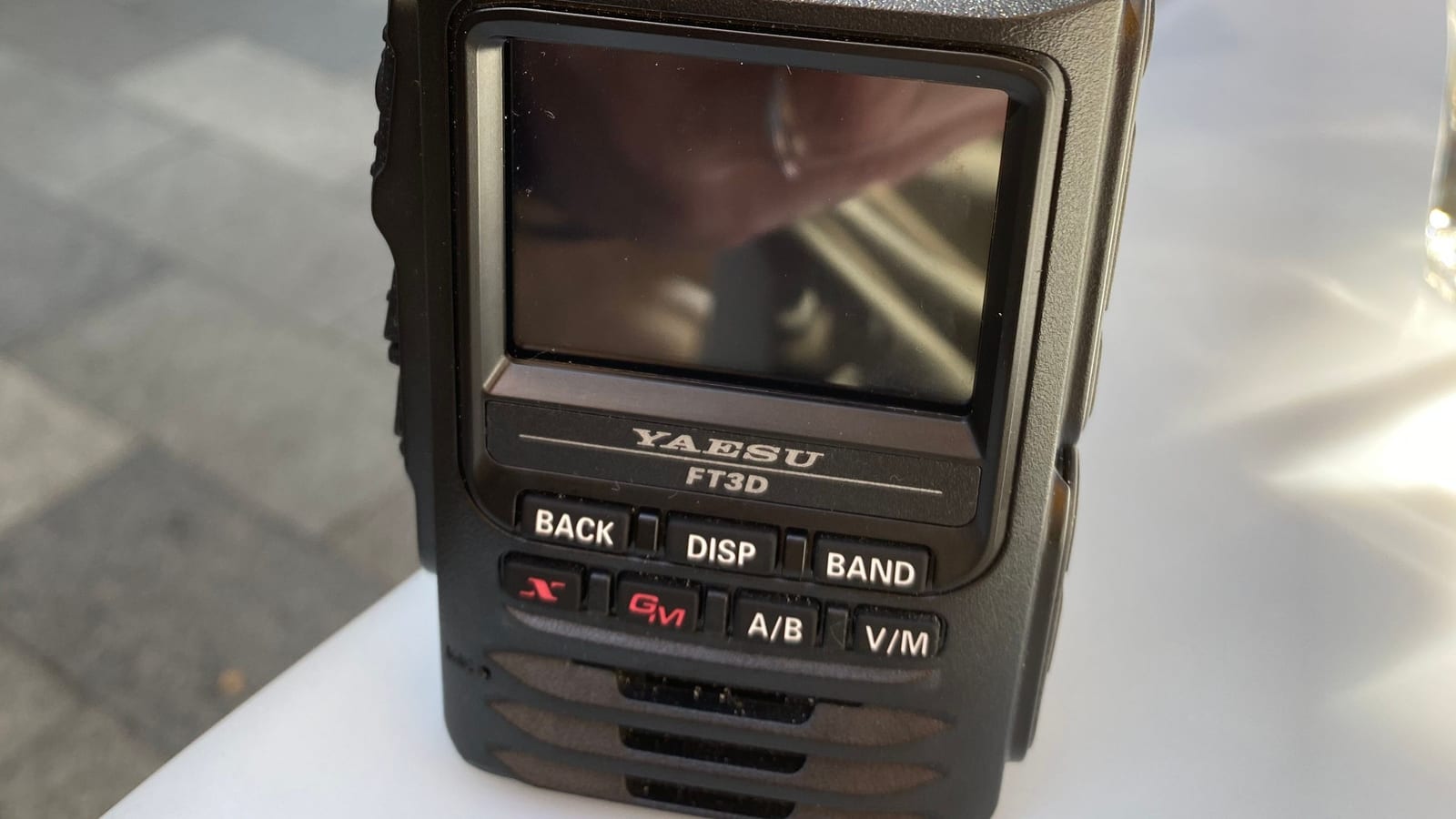
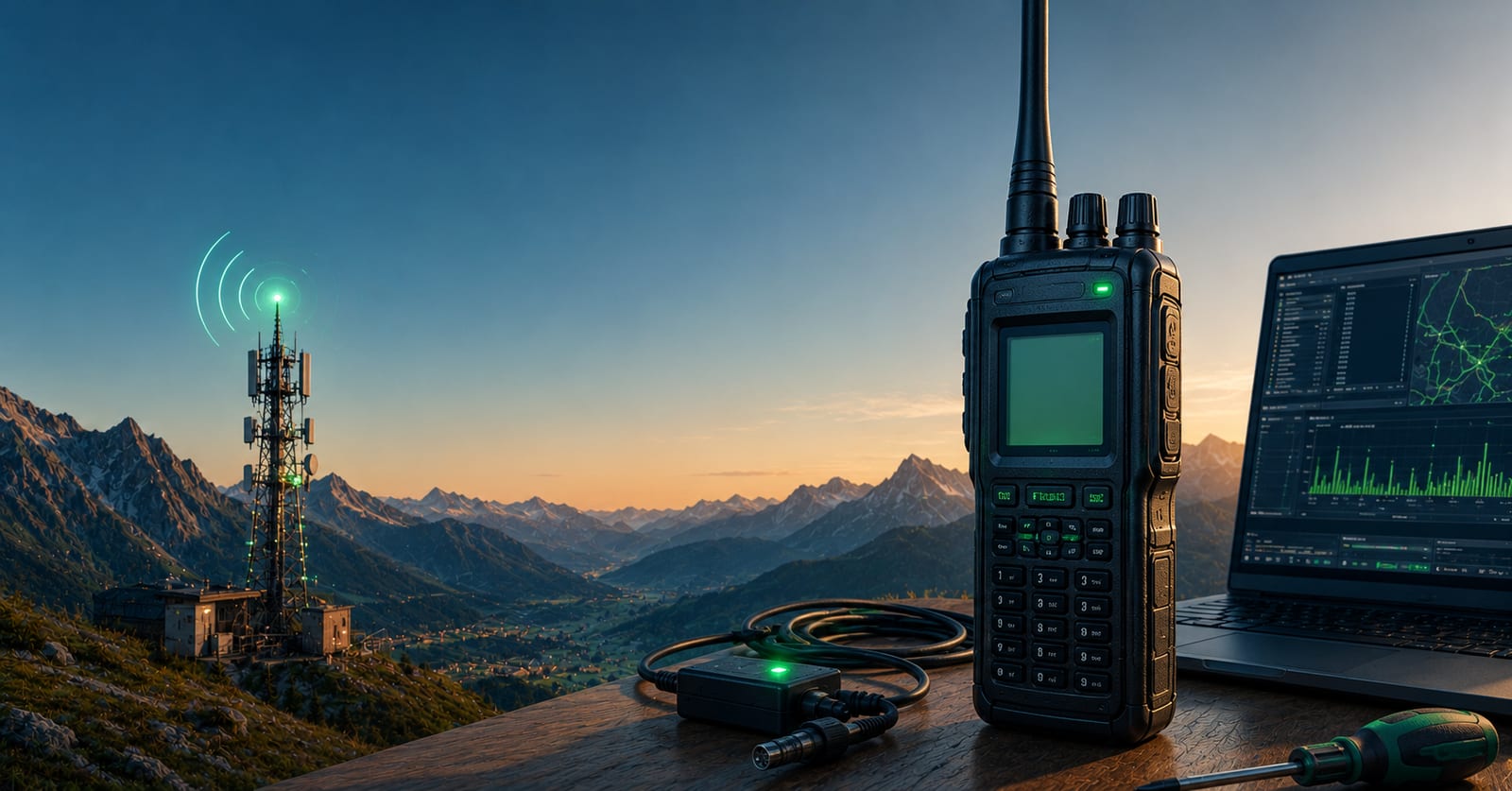
There are no off-the-shelf "amateur TETRA radios". What hams use are commercial handheld transceivers (from manufacturers such as Motorola, Sepura, or Hytera) that are adapted in frequency range and programming for amateur radio use — typically into the lower 70 cm band. This makes TETRA a mode for the experimentally minded: no plug-and-play, but technically rewarding and with excellent voice quality.
TETRA in Austria
Austria operates a small but growing TETRA network. A well-known entry point is the repeater OE6XAG on the Schöckl (around 430,4125 MHz) with good coverage, reachable via the nationwide Group 232. New momentum came with TetraPack.Online (since 2024), which is opening up the professional standard more widely for amateur radio. The current frequencies and network details are maintained in the ÖVSV Wiki — that is where you will find the latest information, which is why we link there rather than printing a snapshot here.
Who TETRA Is Worth It For
TETRA is not the easiest entry point — sourcing and programming the hardware requires some effort. In return you get a professional standard with full duplex, group and individual calls, and very clear audio. If you enjoy experimenting with commercial technology and want to try out the public safety radio standard yourself, TETRA is for you. For newcomers who want to get on air as quickly as possible, we recommend C4FM or DMR instead.
Further Reading
This page is part of our digital voice overview — compare all modes there.
Transparency Notice
This article was researched and written with the assistance of AI (Claude, Anthropic) based on publicly available sources — in particular the ÖVSV Wiki. All content has been editorially reviewed. Questions or corrections? Write to us at [email protected].