
Week 29 / 2026 | 13–19 July | SFI ~125 rising to ~145 | SSN ~75 | A 5–10 | Kp mostly 2, up to 3 Thu/Fri | Source: NOAA SWPC
Summary
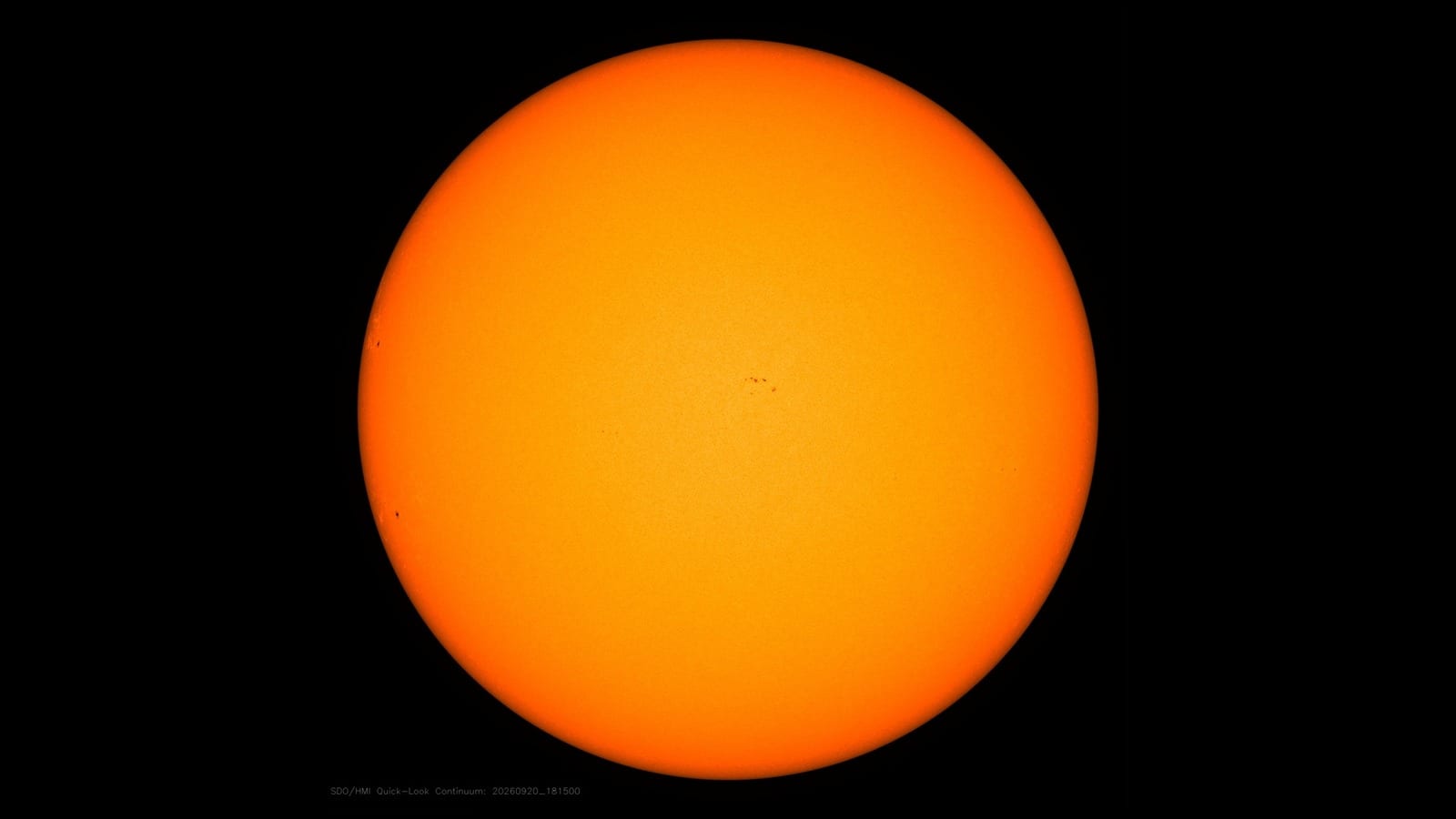
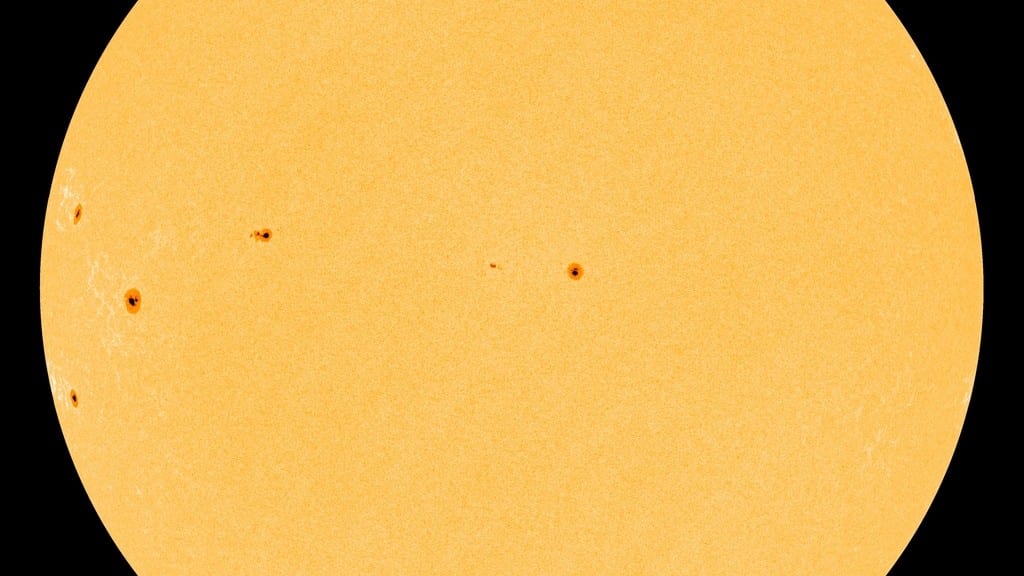
The flux is picking up again, and the field stays quiet. After Week 28 closed with a falling solar flux, Week 29 reverses the trend: per the NOAA 27-day outlook the solar flux climbs from ~125 at the start of the week gradually to ~145 by the weekend (Sat 18 July), then settles around ~135 on Sunday. Combined with a mostly quiet geomagnetic field, that is a good starting point for the upper bands.
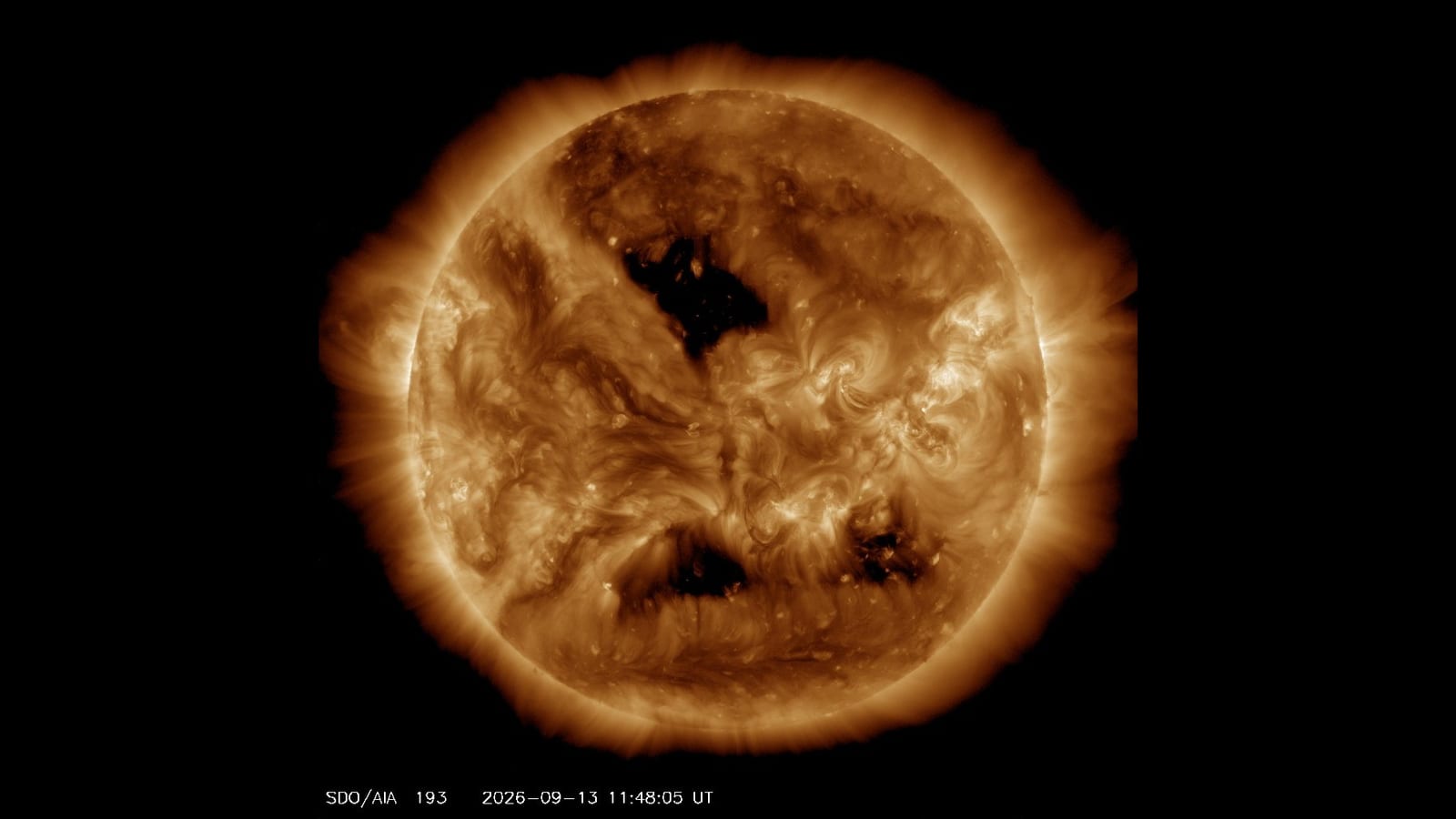
Geomagnetically it stays mostly quiet (Kp 2, A 5). Only around mid-week (Thu 16 / Fri 17 July) does NOAA expect a slightly unsettled field (Kp up to 3, A 8–10) — no storm, barely a noticeable damper. The small G1 storm passing through today (12 July) from the CME of 9 July fades away by the start of the week.
Plus the high-summer bonus: the Sporadic-E season continues at a high level. Daily Es openings on 6 m and 10 m are likely, sometimes multi-hop over 2,000 km. The flip side of the short summer nights: on 160/80 m the DX window stays narrow and the thunderstorm QRN high.
Band forecast
With SFI rising toward 145 the upper bands carry increasingly better F2 DX by day, plus the strong summer Es. The lower bands remain seasonally weak. Values are for quiet days; Thu/Fri the slightly unsettled field dampens the upper bands a little.
| Band | Day | Night | Note |
|---|---|---|---|
| 160m | Poor | Poor | Summer lull — shortest nights, high QRN |
| 80m | Poor | Fair | EU-only in the short darkness, storm QRN |
| 40m | Fair | Good | Reliable EU/DX at dusk, NA late evening |
| 30m | Good | Good | Stable all-rounder, steady FT8/CW |
| 20m | Very good | Good | Main band — long daylight opening, worldwide DX |
| 17m | Very good | Fair | Rising SFI carries — DX to JA, VK, NA, long into the evening |
| 15m | Good | Poor | F2 DX by day, building as flux rises |
| 12m | Good (F2 + Es) | Poor | F2 usable, plus Sporadic-E |
| 10m | Good to very good (F2 + Es) | Poor | Rising flux plus daily Es — loud, short openings |
| 6m | Very good (Es) | Poor | Magic band — daily Sporadic-E, multi-hop possible |
Geomagnetic forecast
Mostly quiet, with a slightly unsettled window mid-week. For Thursday/Friday NOAA expects Kp up to 3 (A 8–10) — no storm, but enough for a minimal damper on the upper bands; at higher latitudes a slim aurora chance on VHF. The field settles again by the weekend.
| Day | Kp expected | SFI forecast | Assessment |
|---|---|---|---|
| Mon, 13 Jul | 2 | ~125 | Quiet — field recovered after G1, flux picking up |
| Tue, 14 Jul | 2 | ~130 | Quiet — upper bands building |
| Wed, 15 Jul | 2 | ~135 | Quiet — solid DX on 20/17 m |
| Thu, 16 Jul | 3 | ~135 | Slightly unsettled — small dip 15–6 m (A 10) |
| Fri, 17 Jul | 3 | ~140 | Slightly unsettled — active field, flux still rising |
| Sat, 18 Jul | 2 | ~145 | Quiet — flux peak, best DX of the week |
| Sun, 19 Jul | 2 | ~135 | Quiet — flux easing slightly, good upper bands |
Recommendations for the coming week
- Mark the weekend for DX: Sat 18 brings the flux peak (~145) and a quiet field — 20/17/15 m carry worldwide DX.
- 6 m stays the summer band: daily Sporadic-E. Watch beacons and FT8 (50.313 MHz); a Yagi works weaker multi-hop signals too.
- Don't forget 10/12 m: rising F2 flux plus Es makes loud, short openings — grab them fast.
- Thu/Fri = small strategy change: at Kp 3 the upper bands sag a little; then look to 20/30 m and, at high latitudes, possible aurora.
- Lower bands = early birds: 40/80 m DX only in the narrow twilight window — the grey line is gold.
Review of Week 28
Week 28 opened with a still-high solar flux around 160 and a quiet field — the best conditions at the start of the week. By the weekend the flux eased as planned to ~135, and a small Kp dip (up to 4) mid-week briefly pushed down the upper bands. Week 29 picks up from there: the declining leg of Cycle 25 delivers rising flux once more, while the field stays quiet.
vy 73 and gud DX — your DX Weather desk
Transparency notice
This forecast was produced with the help of AI (Claude, Anthropic) from public space-weather data (NOAA SWPC 27-day outlook, 3-day forecast, hamqsl.com). Forecasts are inherently uncertain — actual conditions may differ. Questions or corrections? Write to us at [email protected].