Indice
- Cosa sono le stazioni numeriche?
- Breve storia delle stazioni numeriche
- Le stazioni numeriche più famose
- UVB-76 — „The Buzzer" (Russia, 4625 kHz)
- The Lincolnshire Poacher (Großbritannien, E03)
- Swedish Rhapsody — „Achtung!" (DDR/Polen, G02)
- Atencion — HM01 (Cuba)
- Come funziona la crittografia: il One-Time Pad
- Perché le onde corte?
- Ascoltare da soli: ricevere le stazioni numeriche
- Con il proprio ricevitore
- Via WebSDR — senza hardware
- Stazioni numeriche attualmente attive (2026)
- Il sistema di classificazione ENIGMA
- Il Conet Project — L'archivio
- Le stazioni numeriche nella cultura pop
- Ulteriori video
- Fonti e approfondimenti
- Crediti immagini
Imagine this: late at night, you're turning the VFO on your shortwave receiver. Somewhere on 4625 kHz the dial sticks — a monotonous buzzing, about 25 times per minute. You think it's interference. Then suddenly: a Russian voice reading groups of numbers. Goosebumps. What on earth is that? That's UVB-76, the world's most famous numbers station — and it's been transmitting day and night for over 40 years. Who's behind it and why? Let's take a closer look.
Cosa sono le stazioni numeriche?
Numbers stations are shortwave transmitters broadcasting seemingly meaningless sequences of numbers — read by synthetic voices, sometimes preceded by music fragments or signal tones. They transmit on frequencies anyone can receive with a simple shortwave radio. And that's exactly the point: the messages are audible to everyone, but decipherable by only one person — the agent in the field.
No state has ever officially confirmed operating its own numbers station. But several espionage trials — such as the case of Cuban agent Ana Belén Montes (2001) or the Russian "Illegals Program" spy ring (2010) — have proven that numbers stations are real intelligence tools.
Breve storia delle stazioni numeriche
The earliest documented numbers stations date back to World War I — then still using Morse code. During WWII, the BBC broadcast encrypted instructions to the French Resistance via shortwave. But the real boom came with the Cold War: from the 1950s onwards, the USA, Soviet Union, UK, Cuba, East Germany, and Poland operated dozens of numbers stations simultaneously.
There are fewer today than before, but numbers stations have not disappeared. Russian, Cuban, and presumably Iranian stations continue to broadcast — and as recently as February 2026, a new Farsi station appeared (designation: V32), transmitting daily at 02:00 and 18:00 UTC on 7910 kHz.
Le stazioni numeriche più famose
UVB-76 — „The Buzzer" (Russia, 4625 kHz)
Arguably the most famous numbers station in the world: since at least 1982, UVB-76 has been transmitting a monotonous buzzing — about 25 pulses per minute, 24 hours a day, 365 days a year. Occasionally, the buzzing is interrupted by a Russian voice reading phonetic callsigns and number groups.
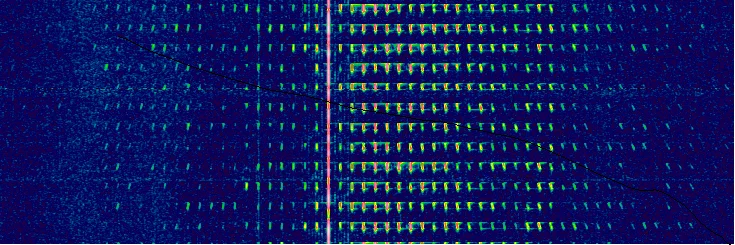
According to publicly available sources, the transmitter is located at the 69th Communication Hub near Naro-Fominsk, close to Moscow. Its purpose has been debated for decades: Is it a "dead man's switch" for nuclear retaliation? A channel reservation signal? Or an active command channel? Nobody knows for certain.
In late 2025, UVB-76 became unusually active: in November 2025, observers reported 24 messages containing 30 different words — the most active period in the station's history. On New Year's Eve 2025, the station was apparently hacked: Russian rap and Western pop music played for over three hours instead of the usual buzzing.
The Lincolnshire Poacher (Großbritannien, E03)
From the mid-1970s until July 2, 2008, this station transmitted from the British military base RAF Akrotiri in Cyprus. The operator: most likely MI6, the British foreign intelligence service. Its signature: the opening bars of the English folk song "The Lincolnshire Poacher", followed by a female voice reading five-digit groups — the last digit of each group spoken at a higher pitch.
Swedish Rhapsody — „Achtung!" (DDR/Polen, G02)
One of the eeriest numbers stations: from the late 1950s until 1998, G02 broadcast in German — introduced by a music box melody and the word "Achtung!" What was long believed to be a child's voice was actually a "speech-Morse generator" made by the Stasi. The station was operated by Polish intelligence. The music box tune was not actually the "Swedish Rhapsody" but the "Luxembourg Polka" by E. Reissdorf — shortwave listeners who misidentified the melody gave the station its name.
Atencion — HM01 (Cuba)
One of the longest-running numbers stations ever — and still on the air today. A Spanish-speaking female voice calls "Atencion!" then reads hundreds of number groups. Cuban spy Ana Belén Montes received her instructions through this station for 17 years. She typed the received numbers into a Toshiba laptop running a Cuban decryption programme. Montes was arrested in 2001 and sentenced to 25 years.
Come funziona la crittografia: il One-Time Pad
The heart of numbers station communication is the one-time pad (OTP) — an encryption method that, when used correctly, is mathematically unbreakable. No supercomputer, no quantum computer can crack it. Here's how it works:
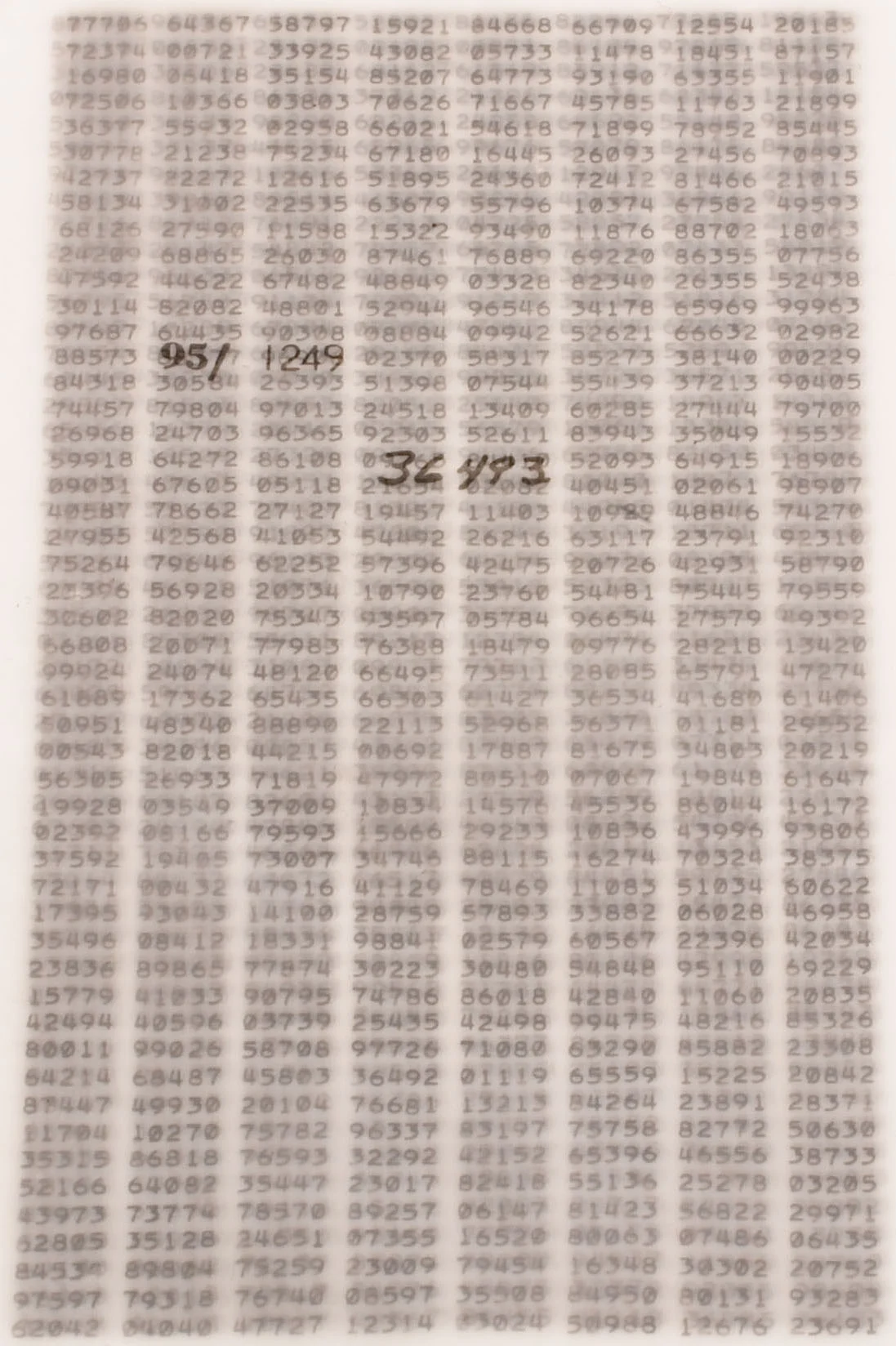
- Station (intelligence agency) and receiver (agent) possess identical pads of random digit sequences — the one-time pads
- The agency converts the message into numbers and adds each digit to the corresponding pad digit (modulo 10: 7 + 8 = 5, because 15 mod 10 = 5)
- The encrypted numbers are broadcast via the numbers station
- The agent writes down the numbers and subtracts the pad digits to recover the original message
- Both sides destroy the used page immediately
The beauty of it: as long as the key is truly random, used only once, and kept secret, there is no way to decrypt the message — even if a third party records the entire transmission.
Perché le onde corte?
For radio amateurs, the principle is familiar: shortwave signals (3–30 MHz) bounce off the ionosphere and can travel thousands of kilometres. That's exactly what makes shortwave the perfect medium for intelligence agencies:
- Global reach — a single transmitter can reach agents across an entire continent
- Anonymity — the agent only needs a commercially available receiver, no internet connection, no phone line, no traceable infrastructure
- One-way communication — the agent never transmits, so there is no signal to track
- Plausible deniability — owning a shortwave receiver is legal in every country on Earth
Ascoltare da soli: ricevere le stazioni numeriche
The best part: you can listen to numbers stations yourself — legally, for free, and even without your own radio. Here are your options:
Con il proprio ricevitore
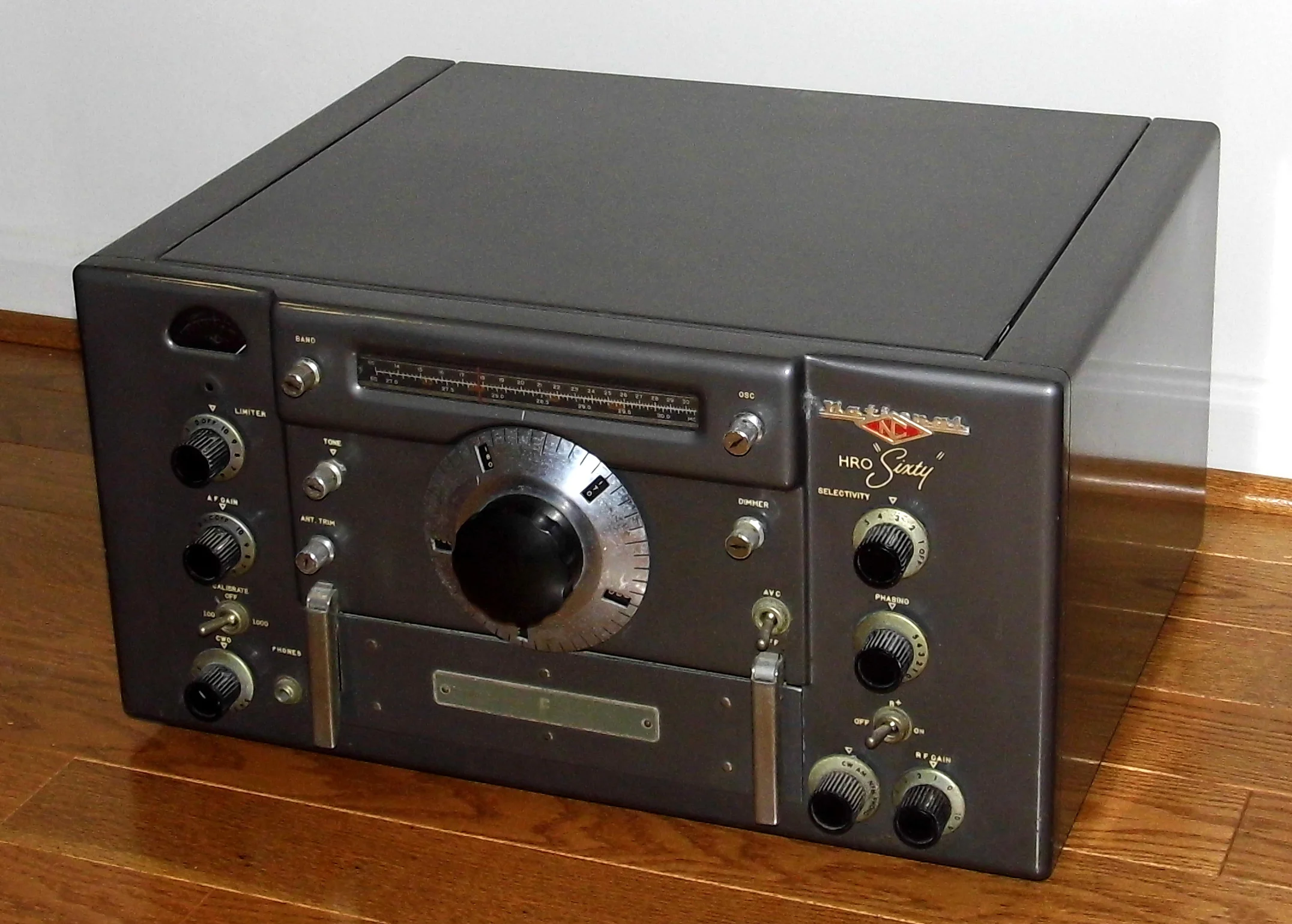
Any shortwave receiver with SSB capability will do. Even a cheap RTL-SDR dongle for 30 euros can receive numbers stations. Set it to USB (Upper Sideband) and tune to the known frequencies.
Via WebSDR — senza hardware
You don't even need your own hardware. Web-based Software Defined Radios let you receive shortwave frequencies directly in your browser:
- WebSDR.org — Directory of all public WebSDR receivers worldwide
- KiwiSDR — Hundreds of wideband receivers (0–30 MHz) on a world map — just click and listen
- Priyom.org Sendeplan — current schedule of known numbers stations with frequencies and times
Tip: First check the Priyom schedule to see when which station is active. Then open a KiwiSDR receiver near the suspected transmitter location, set the frequency and USB — and listen live.
Stazioni numeriche attualmente attive (2026)
| Station | Designation | Frequency | Mode | Origin |
|---|---|---|---|---|
| UVB-76 „The Buzzer" | S32 | 4625 kHz | USB | Russia |
| HM01 „Atencion" | HM01 | various HF | AM | Cuba |
| Russian Lady | V07 | 11435 kHz | USB | Russia |
| English Man | E11 | 9255 kHz | USB | unknown |
| V32 (Farsi) | V32 | 7910 kHz | USB | presumably Iran |
Aktuelle Frequencyen und Sendezeiten: priyom.org/number-stations/station-schedule
Il sistema di classificazione ENIGMA
The monitoring group ENIGMA 2000 hat ein standardisiertes Klassifikationssystem für Zahlensender entwickelt. Der Buchstabe steht für die Sprache, die Zahl identifiziert den einzelnen Station:
- E — English (E03 = Lincolnshire Poacher, E05 = Cynthia, E11 = English Man)
- G — German (G02 = Swedish Rhapsody, G03)
- S — Slavic languages (S32 = UVB-76)
- V — Various languages (V07 = Russian Lady, V32 = Farsi)
- M — Morse code
- X — Other (polytones, digital modes)
Il Conet Project — L'archivio
For those who want to dive deeper: The Conet Project is the most comprehensive publicly accessible collection of numbers station recordings. Published in 1997 by Irdial-Discs, it contains 150 recordings spanning over 20 years — available as free MP3s on the Internet Archive. The project had enormous cultural impact: Wilco's album "Yankee Hotel Foxtrot" (2001) is named after it and contains samples from it.
Le stazioni numeriche nella cultura pop
The mysterious aura of numbers stations has long reached pop culture:
- Call of Duty: Black Ops (2010) — „The numbers, Mason! What do they mean?" Numbers stations as a central plot element
- Lost — The number sequence 4-8-15-16-23-42, endlessly broadcast from the island
- Vanilla Sky (2001) — uses recordings from the Conet Project
- Wilco — Yankee Hotel Foxtrot (2001) — Album title from NATO phonetic alphabet words of a numbers station
- The Americans (TV-Serie) — depicts Soviet agent communication via shortwave
Ulteriori video
For those wanting to go even deeper — this German-language documentary explains numbers stations in detail:
73 de OE8YML
Fonti e approfondimenti
- Wikipedia: Numbers station
- Wikipedia: UVB-76
- Priyom.org — Number Stations Community
- The Conet Project — Internet Archive
- Numbers-stations.com — Listener Starter Guide
- FBI: Ana Montes — Cuba Spy
- ENIGMA 2000 — Monitoring Group
- Signal Identification Wiki — Numbers Stations
- oeradio.at: RTL-SDR für Einsteiger
- oeradio.at: DX-Betrieb für Einsteiger
Crediti immagini
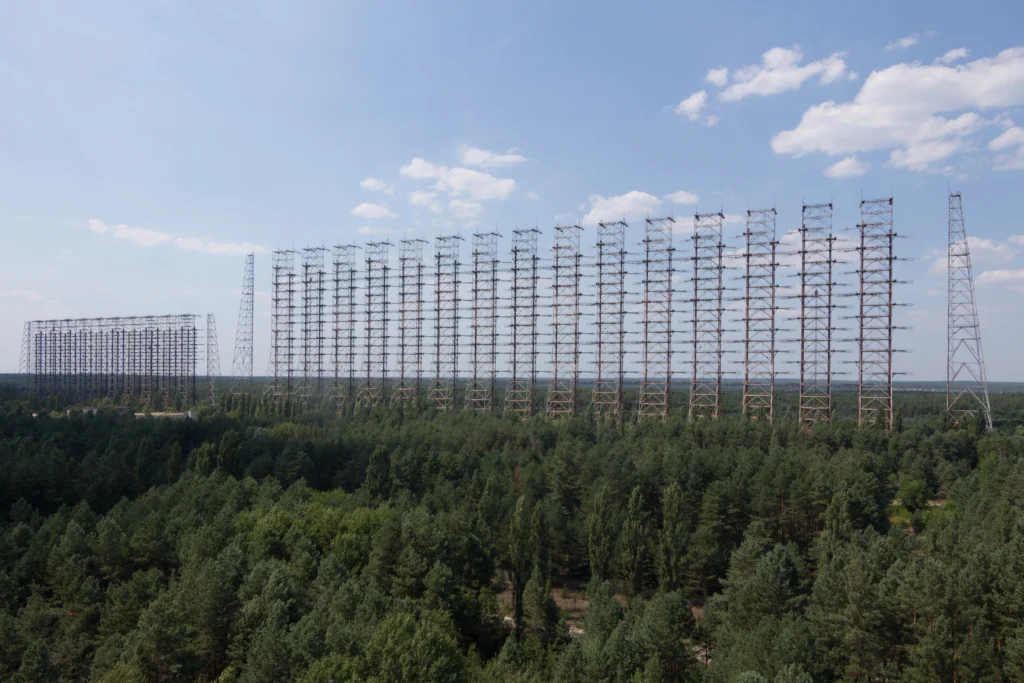
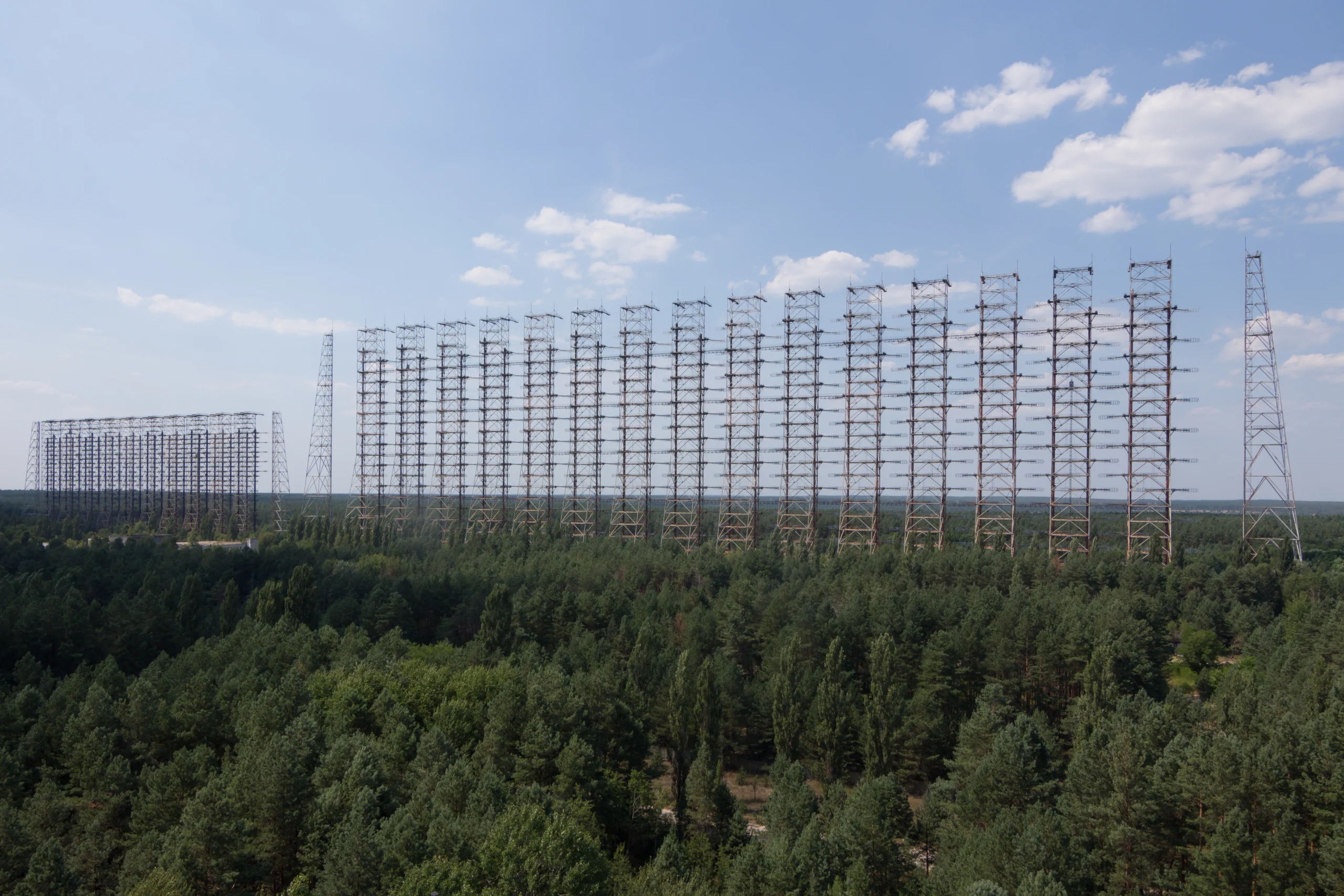
- Duga Radar: Ingmar Runge, CC BY 3.0, via Wikimedia Commons
- UVB-76 Waterfall: Janm67, CC BY-SA 3.0, via Wikimedia Commons
- One-Time Pads: CIA, Public Domain, via Wikimedia Commons
- National HRO-60: Joe Haupt, CC BY-SA 2.0, via Wikimedia Commons
- Moosbrunn Antenna: Peter Knorr, Public Domain, via Wikimedia Commons